Wondering what is Memorial Day before the long weekend? It is the federal holiday on which Americans honor those who died while in the armed services, observed on the last Monday in May.
Families can mark it with a pause, a visit or a flag. The sections below cover the meaning, the history and the simple remembrance ideas that fit the day best, and our hub lists more ways to thank veterans beyond this one day.
What Memorial Day honors
Memorial Day is the federal holiday in which, in the words of the American Battle Monuments Commission, Americans honor their veterans and remember those who died while in the armed services. The weight of the day falls on the second half of that sentence. The Independent describes it as a national holiday for mourning fallen service members, a day of reflection and remembrance of those who died while serving in the U.S. military.
That is the practical answer to what Memorial Day means. It is a day of grief and gratitude for fallen service members, not a general thank-you to everyone who has worn a uniform. Choose activities that help your family think about people who did not come home.
Decoration Day to Memorial Day: the history
Memorial Day began as a day for decorating graves after the Civil War. The American Battle Monuments Commission notes that the day of remembrance was initially known as Decoration Day.
Local observances before a national order
Communities were honoring the dead before any national instruction. In Charleston, South Carolina, a grave-dedication parade took place on May 1, 1865, with as many as 10,000 people, many of them Black, according to The Independent. The same report says Waterloo, New York, began a formal observance on May 5, 1866.
Logan’s 1868 order
On May 5, 1868, Maj. Gen. John A. Logan instructed members of the GAR that the 30th day of May, 1868, was designated for the purpose of strewing graves with flowers, as the ABMC reports. That wording explains the name. Decorating graves with flowers was the original act of the day.
| Date | Event | What it shows |
|---|---|---|
| May 1, 1865 | Grave-dedication parade in Charleston, South Carolina | Grave-honoring began in local communities |
| May 5, 1866 | Formal observance begins in Waterloo, New York | Local observances continued before the national order |
| May 5, 1868 | Logan issues his instruction to GAR members | The call to decorate graves becomes an organized one |
| May 30, 1868 | Date designated for decorating graves | The origin of the long-used May 30 date |
Dates for the table come from the American Battle Monuments Commission and The Independent.
Arlington and the change of name
Time reports that the May 30, 1868, ceremony at Arlington National Cemetery is considered the first national Memorial Day celebration. The name then moved on gradually. By the late 19th century, many Americans were using the term Memorial Day, per the ABMC, and Time adds that it became the more common name after World War I and World War II.
The last-Monday date rule
Memorial Day falls on the last Monday in May. For many years, commemorations at home and overseas took place on May 30, and Time reports that Congress made May 30 a national holiday in 1889.
The Monday rule came later. In 1968 Congress passed, and President Lyndon Johnson signed, the Uniform Monday Holiday Act, which established the observance on the last Monday in May, according to the ABMC. The Independent dates the shift from every May 30 to the last Monday in May to 1971. Look up the calendar date each year instead of assuming May 30.
Pause at 3 p.m. for the National Moment of Remembrance
The National Moment of Remembrance is held at 3:00 PM, and a bulletin of Memorial Day activity suggestions lists taking part among its ideas. The Independent says Americans are encouraged to pause at 3 p.m. for a moment of silence.
For most families this is the best anchor for the day. It needs no travel, tickets or equipment, only an agreement in advance to stop what you are doing, whether you are at a cookout, on the road or at home. Set a phone alarm so the moment is not lost in a busy afternoon.
Visit a military cemetery or memorial
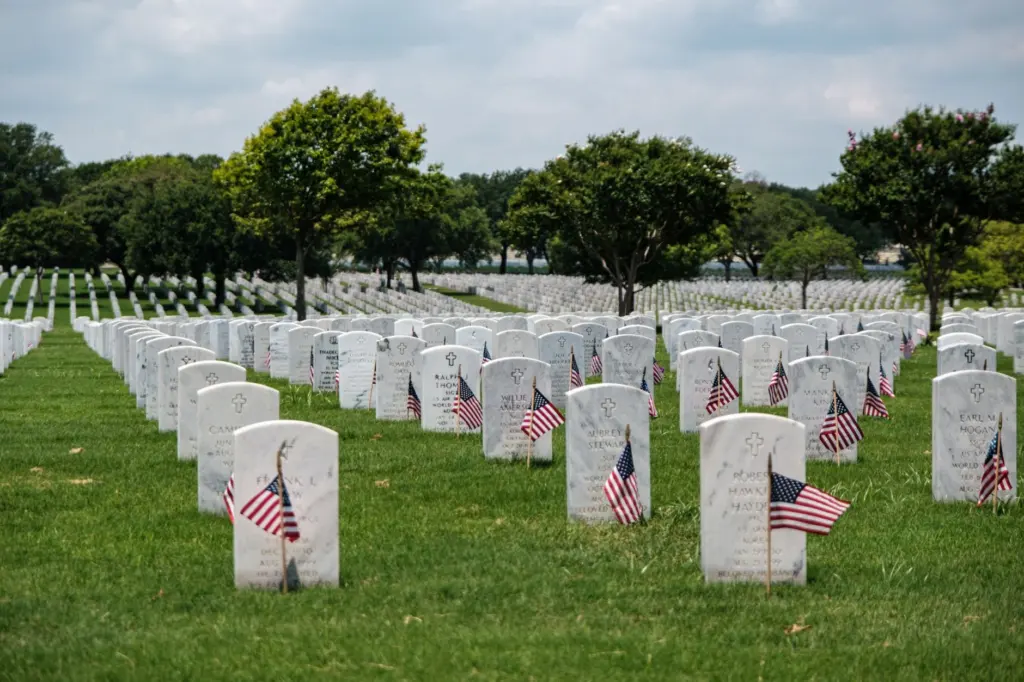
The same activity bulletin suggests visiting a military cemetery or memorial. This idea fits families who live near one and want to keep the original spirit of the day. The first observances were about being at the graves, and the 1868 ceremony at Arlington National Cemetery followed that pattern.

Bring flowers if you have them, since strewing graves with flowers is what Logan’s order called for. Let children place them or help carry them, and keep conversation quiet. If no cemetery is near you, a local memorial works for the same purpose. A visit suits families who want a shared outing that is plainly about remembrance rather than leisure.
Display the U.S. flag at home
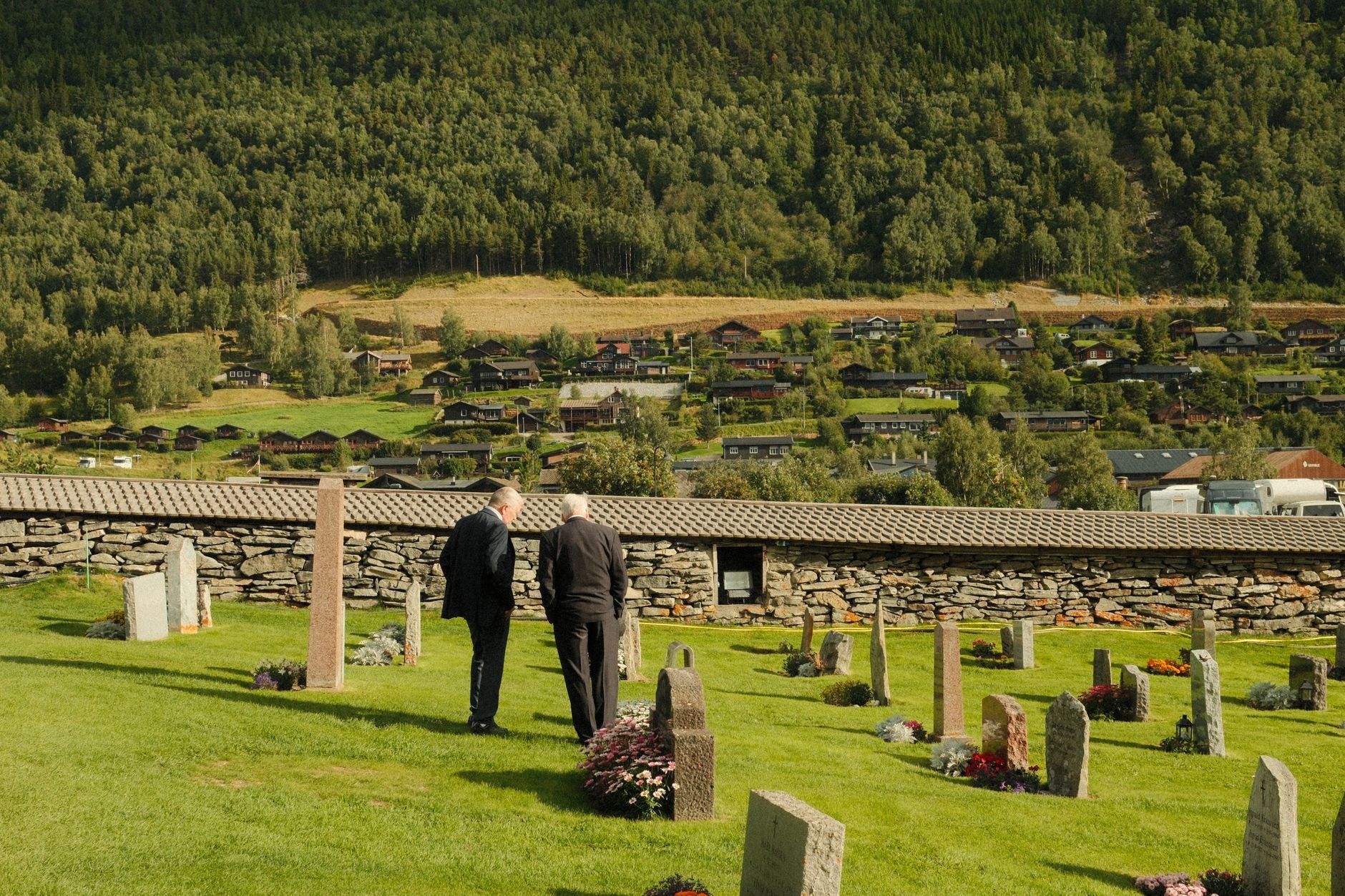
Displaying the U.S. flag at your home is another idea on the bulletin’s list. It is the lowest-effort option, and it suits households that cannot travel to a cemetery or join a public event. It also gives neighbors and children a visible sign that the day is different from an ordinary Monday.
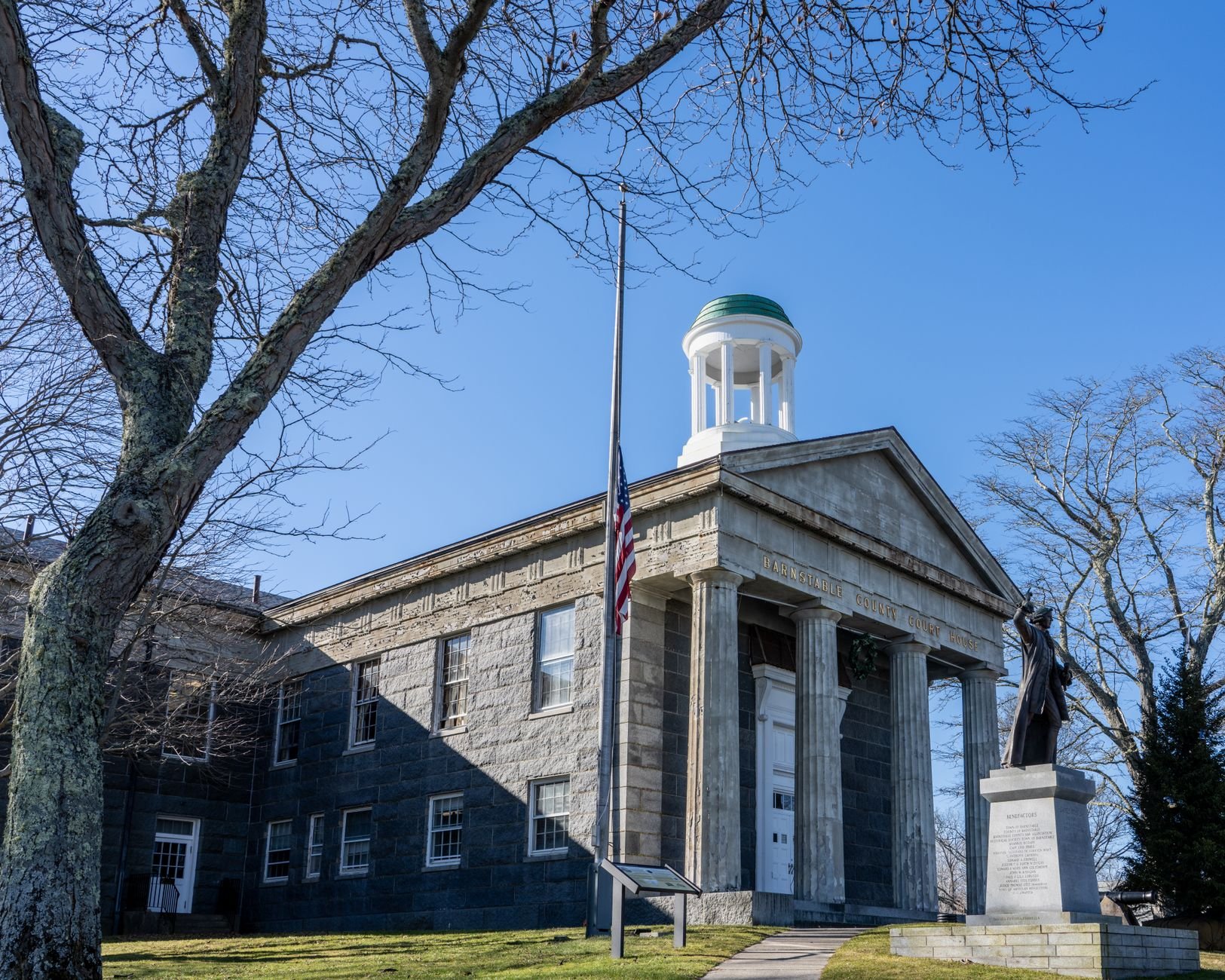
Put it up in the morning so it is in place well before the afternoon pause, and mention to the children why it is out.
Keeping remembrance ahead of the long weekend
Memorial Day has also become known as the unofficial start of summer, marked by long weekends, travel and discounts, as The Independent notes. Nothing stops a family from enjoying that side of the day, but the holiday’s purpose is mourning fallen service members. A simple rule works: do the remembrance first, then the rest.
If you are comparing this holiday with the November one, a separate page explains what is Veterans Day, and a side-by-side guide covers memorial day vs veterans day. The question what is veterans day has its own answer, and it is not the one given here.
Choosing your family’s plan
You do not need to do everything. Work through these steps in order and stop when you have a plan that fits your day.
- Fix the 3 p.m. pause first. It works wherever you are, so it is the one commitment worth making for the moment of silence that the day calls for.
- Add a place if one is close. If a military cemetery or memorial is within easy reach, visit it, with flowers if you have them.
- Add the flag if you are staying home. It takes minutes and marks the day for everyone in the house.
- Keep travel and sales at the edges. Fit them around the remembrance, not in place of it.
Frequently asked questions
Is Memorial Day on the same date every year?
No. It falls on the last Monday in May, a rule set by the Uniform Monday Holiday Act of 1968, according to the American Battle Monuments Commission. For many years it was observed on May 30.
Where did the first observances take place?
Local observances came before the national order. The Independent points to Charleston, South Carolina, on May 1, 1865 and Waterloo, New York, on May 5, 1866. Logan’s order for May 30, 1868, then set a national day for decorating graves.
Which holiday honors all who served?
Veterans Day does. A veterans’ activity bulletin describes it as a federal holiday that falls on November 11. Memorial Day centers on those who died in service.