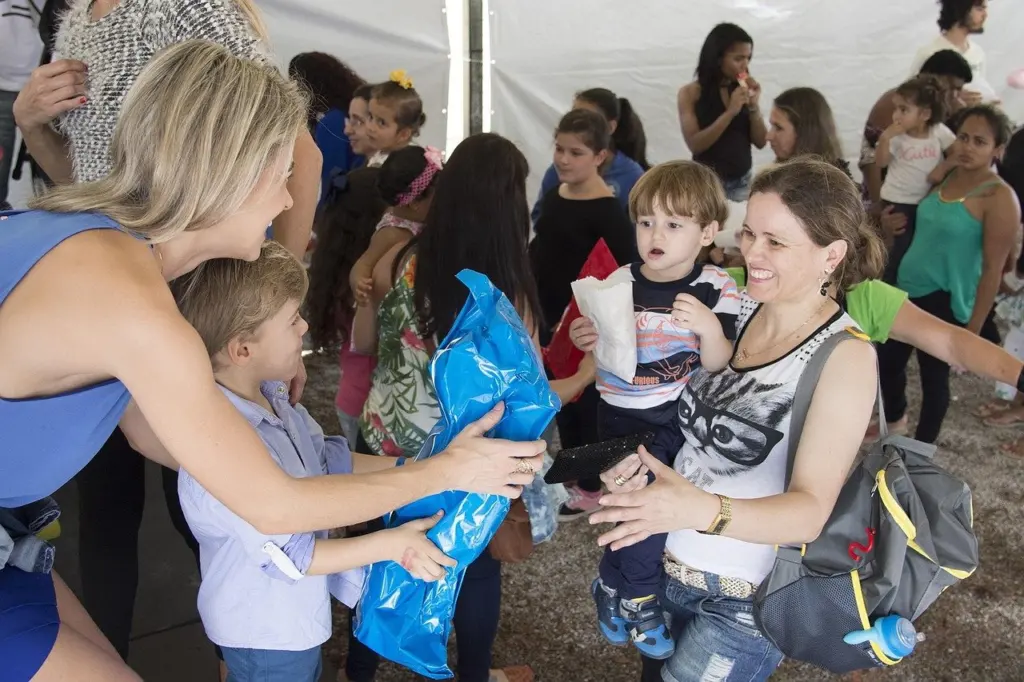
Here is how to recruit volunteers with a small group: ask for one clearly defined task, with a stated time and place, through people who already know you, and make signing up easy.
This guide covers the ask itself, from channel choice to ready-to-adapt messages. For the wider picture, including how to start a donation drive, see the how to start a donation drive guide in the volunteering section.
Before you start
Recruiting works best when a few basics are settled first. Without them, even a warm message produces vague replies.
- A defined need. Know what the volunteers will actually do, such as sorting items, staffing a table or driving a delivery. A general plea for help gives people nothing to say yes to.
- One named contact. Someone acts as volunteer coordinator, even informally. That person answers replies quickly and keeps the list of who has said yes.
- A simple way to sign up. This can be a short online form, a reply to a message or a clipboard at a table. People should never have to guess how to say yes.
- A modest target. Pick a number that matches the shifts you need to fill, not a number that sounds impressive.
The expected outcome is a small group of people who know exactly what they agreed to, who have heard from you before the first shift, and who are likely to return.
Recruitment steps
Step 1: Set a goal tied to real shifts
Start with the volunteer recruitment goal, because it decides how many messages you send and where. Rosterfy’s volunteer recruitment guide gives the example of recruiting 100 new volunteers in the next month. A small charity or community group should swap in a number drawn from its own roles and dates.
The effort is worth it. Nonprofit Association of Oregon notes that nonprofits of all shapes and sizes rely on volunteers to keep fulfilling their mission. It also cites Independent Sector’s estimate that each U.S. volunteer’s hour is worth $31.80. For a community service project, that gives you a reason to treat recruiting as real work rather than an afterthought.
Step 2: Write the role in plain terms
Specificity is the main lever you control. Rosterfy puts it bluntly: vague postings attract vague applicants. Its advice is to specify tasks, hours and success measures for each role.
A good role description states the role’s impact, the time commitment and what the volunteer gets out of it. For a one-off community service project, keep the description short and make the timeframe clear, so people know exactly what they are signing up for.
In practice, the ask should answer four questions in a sentence or two:
- Task. What the person will do, in everyday words.
- Time. The date, start and finish, and whether it repeats.
- Location. The address, or a note that the task can be done remotely.
- Payoff. What changes because of their help, and what they gain, such as meeting neighbours or building skills.
Leave out anything that does not help someone decide. A long list of duties makes a small task look like a big commitment.
Step 3: Choose channels that fit a small group
Rosterfy describes the right mix of outreach channels as referrals, social media, partnerships and job boards. A small group with no budget usually gets the most from the first three, because they put your ask in front of people who already have a reason to trust you.

- Referrals. Ask current helpers, donors and board members to personally invite one friend each. A personal invitation carries more weight than a post.
- Partnerships. Faith communities, schools, clubs and workplaces already gather people. Ask the organiser for a few minutes at a meeting or a line in their newsletter.
- Social media and local boards. Use these for reach, but keep the post to a single clear ask with a link or contact.
Local conditions matter. The University of Maryland’s Where Are America’s Volunteers? report found that volunteer rates dropped by more than five percentage points in rural areas between 2004 and 2015. It also found that rates tended to decline in metropolitan areas with fewer places to volunteer. If your area has few volunteering options, a visible local invitation fills a real gap.

Location and time are the biggest barriers, according to Rosterfy. Virtual and micro-volunteering remove them. Offering a short task, or one that can be done from home, widens the pool for people who cannot commit to a fixed shift.
Step 4: Send the message
A recruitment message should say who you are, what you need, when and where, why it matters, and how to reply. Give one action only, such as replying yes or tapping a sign-up link. Adapt the examples below by filling in the brackets.
- To existing supporters. “Hi [name], we are putting together a small team to [task] on [day] at [place], from [start] to [finish]. It helps [who benefits] directly, and you would be [what they get, such as working alongside neighbours]. Can you join us? Reply yes and I will send the details.”
- To a partner group. “Hello [organiser], our [group] needs [number] helpers to [task] on [date]. It is a short, clearly defined shift at [place], and no experience is needed. Could we share a short note with your members, or speak for a few minutes at your next meeting?”
- A short text or social post. “Looking for [number] volunteers to [task] on [date] at [place]. Short shift, all tasks explained on the day. Sign up here: [link].”
Each example names the task, the time and the place, which is how specific the ask needs to be. If you cannot fill in a bracket, the plan is not ready to send yet.
Step 5: Make signing up quick
The sign-up form is where interest becomes commitment, so keep it short. Rosterfy suggests a registration form that collects contact details, location, relevant skills or certifications, and motivation. For a small group, that means name, phone or email, where they live or work, anything they can offer, and a line on why they want to help.
Ask only what you will use. If you do not need a skill, do not ask for it. If you need to know which shifts someone can cover, build that into the form or sheet. Our guide to a volunteer sign up sheet template covers layouts and shift planning in detail.
Existing gatherings are the easiest place to collect sign-ups. A clipboard on a table at a school or faith-community event lets people say yes while you are standing in front of them. Tell them when they will hear from you.
Step 6: Close the gap and bring people back
Rosterfy identifies the gap between applying and actually starting as the single biggest point of volunteer drop-off. Reply promptly and confirm the date, place and what to bring. Introduce the coordinator by name so the first shift feels like meeting someone, not turning up cold.
Turning first-time volunteers into repeat volunteers starts at the first shift and continues after it. Greet people when they arrive, explain the task, and thank them by name afterwards. A well-recognised volunteer is a strong source of future recruits, so ask them to bring a friend next time.
Once people say yes, you can plan the day itself with our guide on how to organize a volunteer event.

Checkpoints before you send
Run through this table before each push. It shows what a ready recruitment effort looks like and why each item matters.
| Checkpoint | What good looks like | Planning use |
|---|---|---|
| Role description | States the impact, the time commitment and what the volunteer gets | If any of the three is missing, rewrite before sending. |
| Message | Names task, time and location, with a single action to take | Test it on a friend: can they say what they would be doing and when? |
| Channels | A mix of referrals, partnerships and social media | Lean on referrals and partners first if you have no budget. |
| Sign-up form | Collects contact details, location, skills and motivation, and nothing you will not use | Cut any field you cannot explain. |
| Applying to starting | A prompt reply and a clear confirmation | Assign a named person to answer new sign-ups promptly. |
| After the first shift | A personal thank-you and an invitation to return | Recognised volunteers become your best recruiters. |
These checkpoints follow the recruitment advice in Rosterfy’s volunteer recruitment strategies.
Frequently asked questions
Are fewer people volunteering than in the past?
The national volunteer rate fell from 28.8 percent in 2005 to a low of 24.9 percent in 2015, according to the University of Maryland’s analysis of Census Bureau Current Population Survey data. The report estimates that over 9.8 million more Americans would have volunteered in 2015 had the rate not declined. Individuals still gave 8.7 billion hours in 2014, so plenty of people are willing to help when asked clearly.
Why do volunteers drop out before they start?
The largest drop-off point is the gap between applying and starting, according to Rosterfy. Location and time commitment are the biggest barriers, and offering remote or short tasks can reduce them. A quick, personal confirmation after sign-up is the simplest fix.
How can I see where applicants are dropping off?
Volunteer management platforms can show coordinators where applicants drop off. A small group can get the same insight by keeping a list of who was invited, who replied, who signed up and who turned up. The step with the biggest loss tells you which part of your process to fix.
Why bother recruiting rather than relying on the same helpers?
Volunteers build a community’s social capital by working together with their neighbours, as the University of Maryland report notes. Bringing in new people spreads the load and strengthens local ties, which makes your group less dependent on a few individuals.