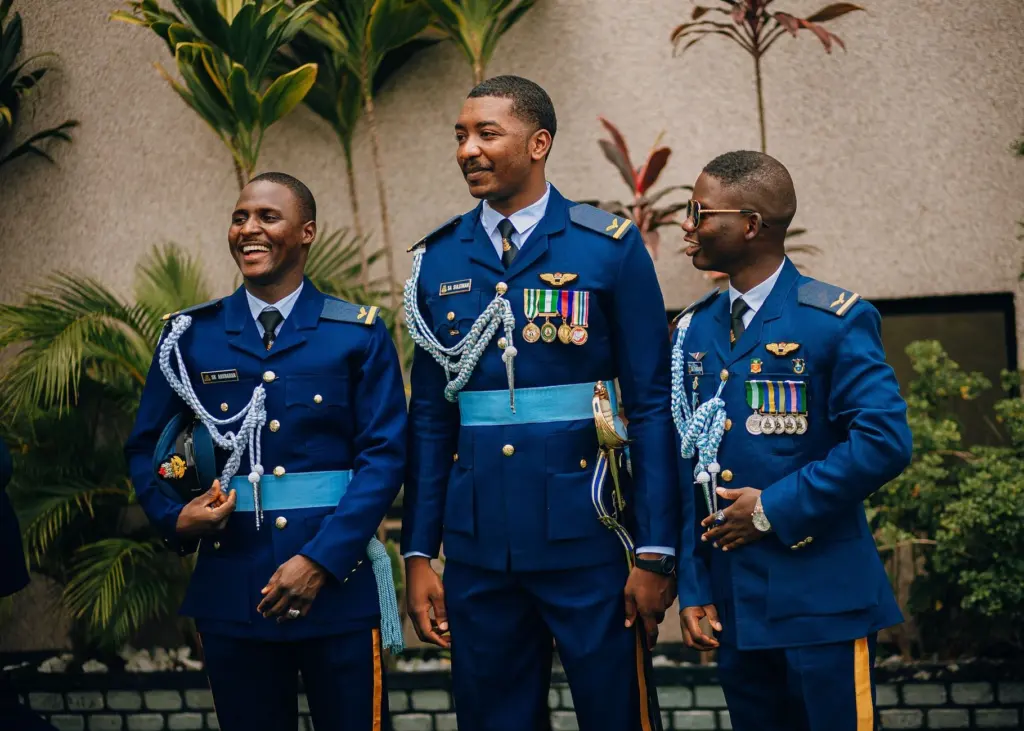
Meeting a veteran at a community event and unsure which service they mean? The branches of the US military are the Army, Navy, Marine Corps, Air Force, Space Force and Coast Guard, and the Department of Defense oversees all but the Coast Guard.
Knowing who serves where makes conversation easier, and it helps when you look for ways to thank veterans that fit the person in front of you. The sections below take each branch in turn, then cover the National Guard, the Department of Defense and a short glossary.
Branches at a glance
Use this table to match a branch to its core job and its chain of oversight. Two details trip people up most often: the Marine Corps sits inside the Department of the Navy, and the Coast Guard answers to a different department from the rest.
| Branch | Core role | Overseen by | Planning use |
|---|---|---|---|
| Army | Ground forces | Department of Defense (one of three military departments) | Think land operations and the largest, oldest service. |
| Navy | Forward-deployed force on, above and below the water | Department of Defense | Think ships, aircraft and submarines at sea. |
| Marine Corps | Amphibious and ground units | Department of the Navy | Do not describe Marines as part of the Army. |
| Air Force | Air and space capability | Department of Defense | Think aircraft and flight-line work. |
| Space Force | Organizes, trains and equips space forces | Department of Defense | Think space, not aircraft. |
| Coast Guard | Maritime service with a split chain of command | Department of Homeland Security in peacetime; Navy during war | Do not assume it falls under Defense. |
These descriptions draw on a library guide to the service branches and an overview of how the branches report to the Department of Defense.
Army
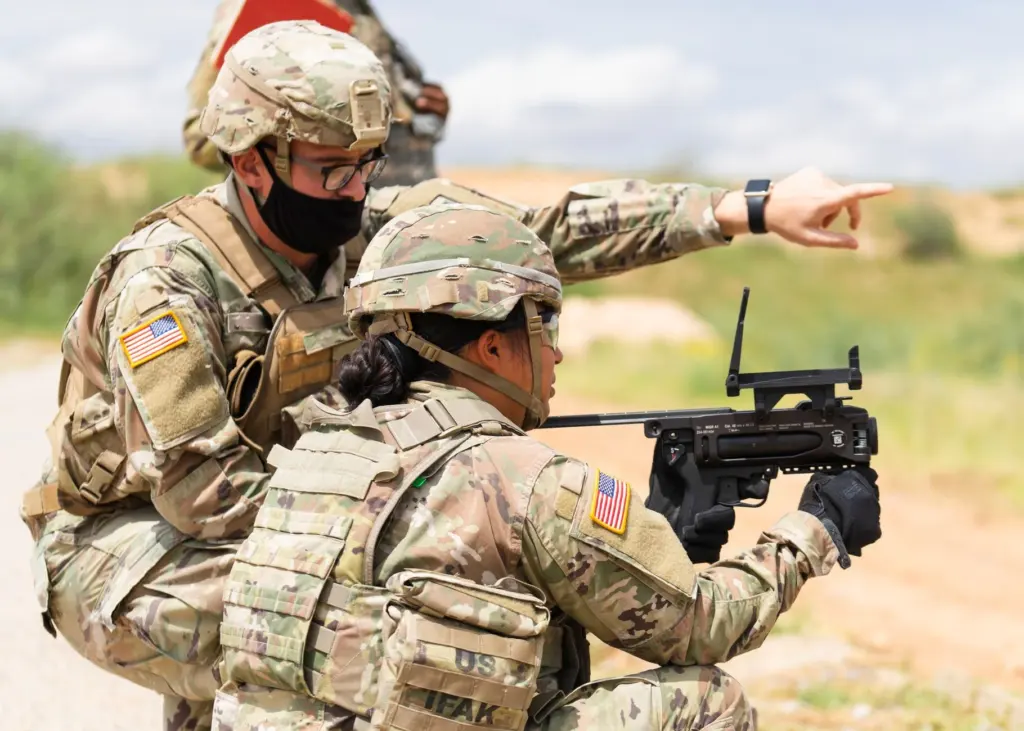
The Army is the largest and oldest service in the U.S. military, and it provides the ground forces, according to the St. Mary’s County Library guide. If someone says they served on the ground, this is usually the branch they mean.
The Army is one of three military departments that report directly to the Department of Defense. That structure matters little in casual conversation, but it explains why the Army, Navy and Air Force are often grouped together as the main departments.
Navy
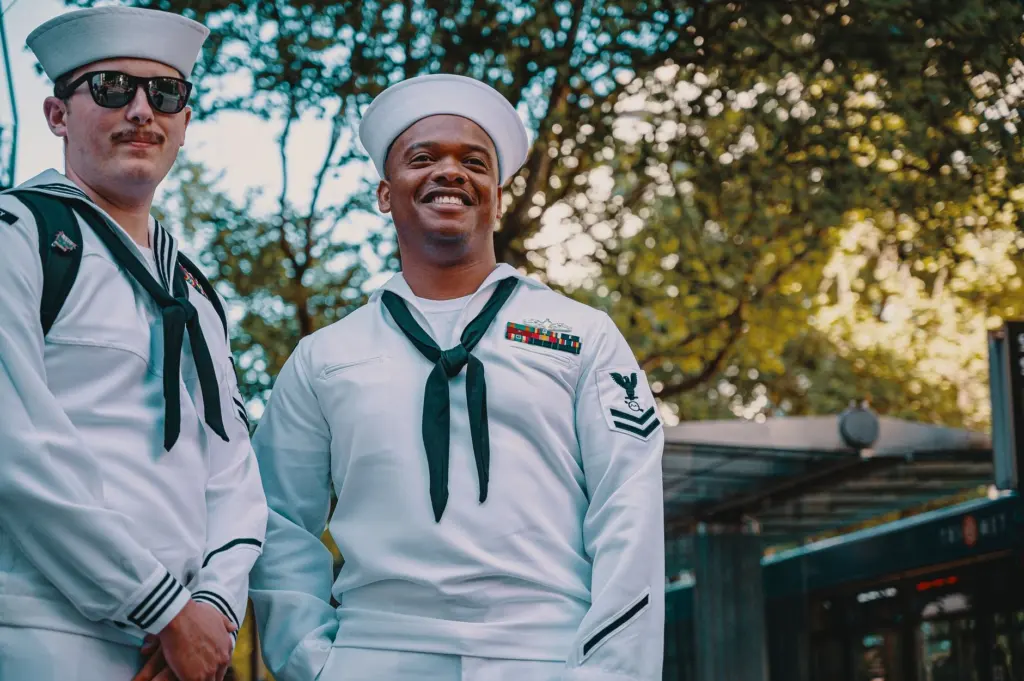
The Navy is described as America’s forward-deployed force on, above and below the water. It reports directly to the Department of Defense. It suits readers who want the sea-going service, as distinct from the Coast Guard’s separate oversight.
The Navy also has a close relationship with the Marine Corps, covered next, because the Marine Corps belongs to the Navy’s parent department.
Marine Corps
The Marine Corps is a component of the Department of the Navy and maintains amphibious and ground units. That makes it a separate service with its own identity, even though it shares a department with the Navy.
The practical lesson for civilians is to use the name “Marine Corps” or “Marines” on its own. Marines are not part of the Army, and they are not simply sailors with a different job.
Air Force
The Air Force provides a rapid, flexible and lethal air and space capability. It reports directly to the Department of Defense and, according to one overview, trains for air, space and cyberspace superiority.
If you hear that someone worked on aircraft or on the airfield, the Air Force is the likely branch. Space-focused work now has its own service, described below.
Space Force
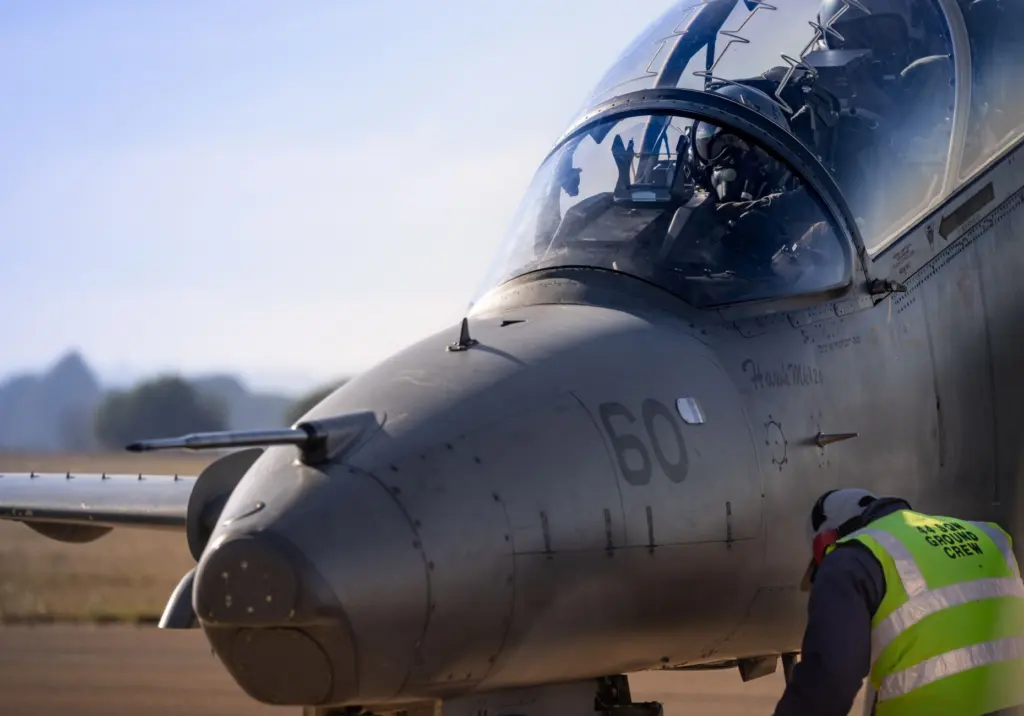
The Space Force organizes, trains and equips space forces to protect U.S. and allied interests in space. Its job is defined by the domain it works in, not by a vehicle or a type of base.
The Department of Defense controls each military branch except the Coast Guard, so the Space Force falls under that department’s oversight. Because it is the branch people are least likely to have met, a short question such as “What was your role?” is a friendlier opener than a guess.
Coast Guard
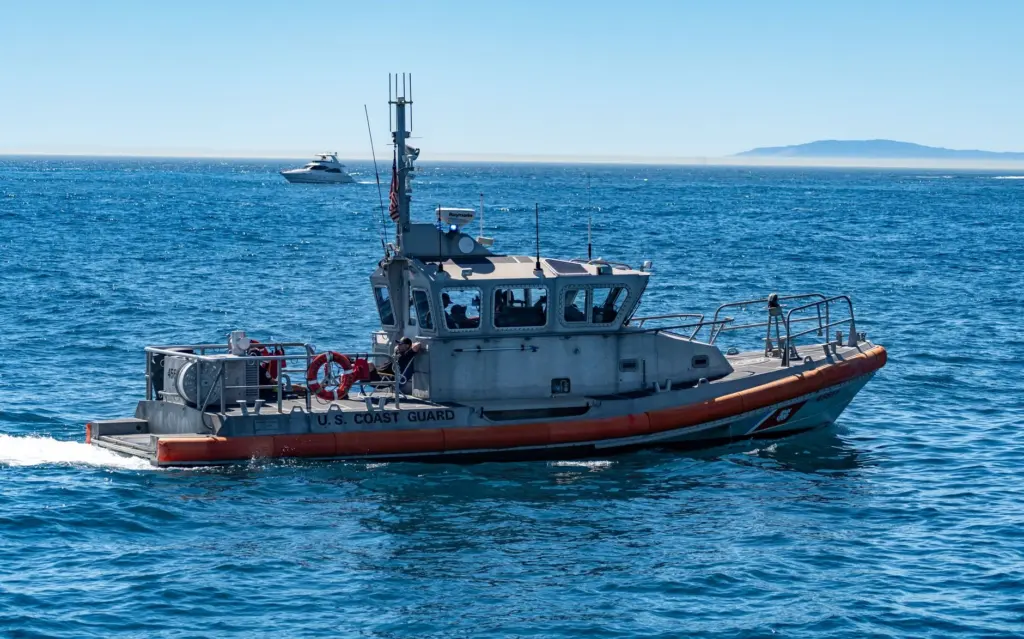
The Coast Guard is the exception in the chain of command. It is part of the Department of Homeland Security during peacetime and operates under the Navy during war. The Department of Defense does not control it.
When you list the branches for a school group or a community event, mention that split. Calling the Coast Guard part of the Pentagon’s structure is the most common small error.
National Guard and reserve components
The National Guard is composed of the Army National Guard and the Air National Guard. It is described as a versatile force and as a complementary force to active duty, with roles that include humanitarian, domestic, combat and homeland security work.
For the difference between the Guard and the Reserves, one overview notes that reserve component members primarily work civilian jobs but may be called to full-time military duty if necessary. The practical point is that a Guard or Reserve member may be serving alongside a civilian career. When you meet one, ask about the Army or Air Force side of the Guard rather than assuming they are full-time.
Department of Defense
The Department of Defense is America’s largest government agency, and its mission includes deterring war. It controls each military branch except the Coast Guard. The Army, Navy and Air Force are the three military departments that report directly to it, and the Marine Corps sits inside the Department of the Navy.
Short glossary for everyday conversation
- Armed forces: the term a Congressional Research Service primer uses for the U.S. military service branches.
- Military department: one of the three bodies, Army, Navy and Air Force, that report directly to the Department of Defense.
- Component: a part of a larger organization, as the Marine Corps is a component of the Department of the Navy.
- Active duty: the full-time force that the National Guard is described as complementing.
- Reserve components: members who primarily work civilian jobs but may be called to full-time duty.
- Homeland security: one of the roles listed for the National Guard, and the department that oversees the Coast Guard in peacetime.
Using this when you thank or support service members
Work through these steps before an event, a conversation or a care-package drive.
- Ask the branch first. Match the name to the table rather than guessing from a uniform color or an old photo.
- Check the department. Remember that Marines sit under the Department of the Navy and the Coast Guard answers to Homeland Security in peacetime.
- Ask about duty status. A Guard or Reserve member may have a civilian job and be called to full-time duty only when needed.
- Match the gesture to the person. Once you know the service, you can plan around events such as a veterans day parade near me search or a look at veterans day free meals offered locally.
Frequently asked questions
Who is in charge of the U.S. armed forces?
The President of the United States heads the armed forces. The Secretary of Defense reports to the President as Commander-in-Chief.
How big is the Department of Defense?
It is described as America’s largest government agency.
What does the term armed forces refer to?
A Congressional Research Service primer uses it for the U.S. military service branches.