This list-style page covers the number 2815176333, and no owner, business or location is confirmed for it here. Use the points below to read the number carefully and decide what to do next, without assuming anything about the caller.
| Does this page name the caller? | No. Neither a person nor a company is identified. |
| Does the number reveal a location? | Not reliably. The area code points to a region, and people move and keep their numbers. |
| Is a caller ID name proof of identity? | No. Names shown on screens can be spoofed. |
| Are one-time codes ever safe to share? | No. Keep codes, passwords and full card numbers private. |
| What actually proves a claim? | Confirmation through an official route you control. |
Key facts about 2815176333, in list form
- The number is ten digits long, following the North American layout.
- Its area code is a geographic code, not one of the toll-free codes.
- A geographic code was assigned to a region, though the code alone does not show where any caller is.
- Caller ID can be spoofed, so a displayed name is not proof.
- No owner, business or place is confirmed here.
These facts are general, which is why the rest of this page concentrates on behavior and verification rather than on the number’s history.
Keep these facts separate from anything you hear on a call. A caller can state a location, a company or a history, and none of those statements becomes a fact because it was said aloud. Only a check through a route you control can turn a claim into something you can rely on.
Before you answer 2815176333: points to keep in mind
An answer is a decision, and you are allowed to delay it. A pause gives you room to check what is being asked before you say anything.
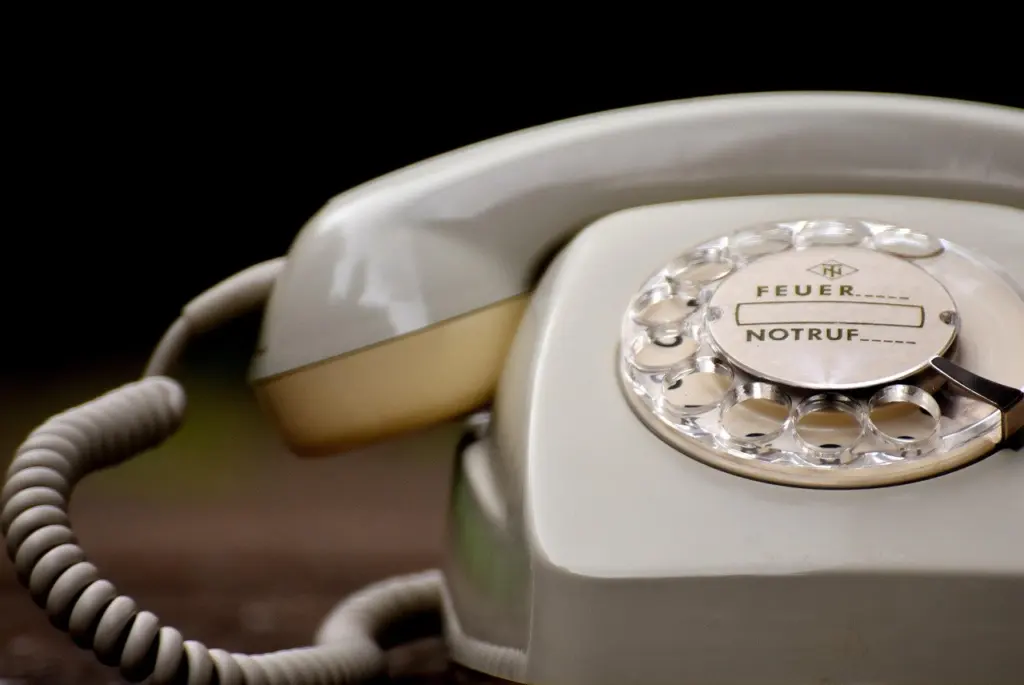
- Unknown calls can be left for voicemail, where the message can be replayed.
- A request that feels rushed is itself worth noting in your record.
- Ask who is calling and which organization they represent, then hang up.
- Avoid giving any account detail, card number or address to an incoming caller.
- Store the recording or screenshot before you delete anything.
- Check the claim through an official number you already have on file.
None of these points requires you to be rude. A polite line such as “I will call the company back on its published number” ends a conversation cleanly, and it leaves the caller with nothing to push against.
The digit groups inside 2815176333
Each group of digits in a North American number has its own role, and knowing the roles makes the number easier to read.
- Area code: the first three digits, tied to a region in the numbering plan.
- Exchange code: the next three digits, which identify a central office.
- Line number: the last four digits, which identify one line within that exchange.
Some records add a plus one country code in front of these groups. This number is written without it. The groups explain the layout but tell you nothing about the caller’s motive, and anyone can display a set of digits on a call they place.
If you write the number in your notes, use the same layout every time. Consistent notes make it easier to notice when a later contact uses a different display format for the same digits, which is a small detail worth recording.
Warning checklist for messages from 2815176333
This checklist is built for quick use. Mark each item that applies, and let the count guide your next move.

- Deadlines that cut off your options.
- Requests to pay by gift card, wire transfer or cryptocurrency.
- Asks for remote access to a phone or computer.
- Requests for one-time codes or login details.
- Claims of arrest, legal trouble or a frozen account.
Marking no items does not prove a message is safe. It only means the list found no warning sign, and a check through an official route still matters.
If you mark two or more items, stop replying and do not act on any instruction in the message. Save what you received, then move to the verification steps below. A higher count is a reason to slow down, even when the message looks ordinary at first glance.
What to do today if 2815176333 has been in touch
- Block the number from the recent calls list on your phone.
- Scan recent statements and account alerts for anything unfamiliar.
- Tell the Federal Trade Commission about the contact if you are in the United States; Canadians can use the Canadian Anti-Fraud Centre instead.
- If the line is not yet listed, add it to the National Do Not Call Registry in the United States or the National Do Not Call List in Canada.
- If details were shared, contact the real organization using its published number and update the affected passwords.
- Send suspicious texts to 7726, the spam reporting code on most carriers.
Do these steps in a calm order rather than all at once. Blocking and checking statements take only a few minutes, while reports and registry listings can wait until you have your record in one place. Each step you finish is one less thing to think about while the matter is still open.
Reader questions about 2815176333
Can a search engine reveal the real owner of this number?
Rarely. Search results may repeat rumors, and a search page cannot verify ownership. Use what you find as leads, then confirm through official sources.
Does a geographic area code mean the caller is nearby?
Not necessarily. Numbers travel with people, and services can route calls from far away, so the area code is a poor guide to distance.
What if the caller already knows your name?
Names are easy to find in public listings and on social media, so knowing one proves little. Stick to the verification steps and never confirm details first.
Should someone file a formal complaint?
It can help when money was lost or the contacts keep coming. A complaint adds to official records, and a dated log makes it considerably stronger.
Do I need to answer if the caller says they will call again?
No. A promise to call back is not a reason to stay on the line. You can wait for the next contact, check the claim through an official number and decide then whether anything needs a response.