Your office, class or family wants to send troop care packages overseas this month: start with a verified address, fill a sturdy box with small shelf-stable items, and check the restricted-item rules before sealing.
This guide sorts the job by what you are trying to do, from packing a box for someone you know to running a drop-off. For the full sequence in one place, use our walkthrough on how to send a care package to a deployed soldier. The sections below help you decide what goes in, what stays out and when to send.
Pick your route first
Most people arrive with one of four situations, and each needs a different first step. Pick the one that fits and follow it in order. The later sections go into detail on contents, packing, addresses and timing.
- You know a service member. Ask them directly for a mailing address and a short list of what they use or miss. A package built from their own answers beats a generic box. Then go to the packing and addressing sections.
- You do not know anyone deployed. Do not guess at an address. Our guide on how to send a care package to a soldier you don’t know covers the routes open to you. Charity programs that handle addresses and distribution are usually the safer path, and they are described near the end of this page.
- You are organizing a group. A classroom, congregation, workplace or neighborhood needs one collection point, one shared item list and a plan for who packs and ships. The group-drive section covers that setup.
- You are sending for a holiday. Seasonal packages work on the same rules as any other, but timing and item choices change. Read the holiday section before you buy anything.
Whichever route you take, settle the address and the budget before you shop. Buying first and discovering later that the box will not fit, or that an item is not accepted, wastes the most money and goodwill.
What to put in troop care packages
A good package holds items that are small, sealed, durable and useful to the person receiving it. The most dependable model is the one the USO uses. Its care package guidance says the most common standard packs are the Snack Pack and the Toiletry Pack. The Toiletry Pack contains a wide range of travel-sized hygiene products. The packs come in a desert tan durable nylon bag with a MOLLE attachment, so the container itself is meant to be reused.
Use those two packs as a template for your own box. Think in categories rather than a fixed shopping list, then adjust each category to the recipient.
Snacks and food
Choose sealed, shelf-stable snacks that can survive handling and a long trip. Peanut butter and jelly are common requests, but Cru’s military care package advice says jelly should not come in glass jars. It also cautions against chocolate because it melts. Variety matters more than volume. A handful of different small items is easier to share and less likely to go stale before it is eaten.
Hygiene and personal care
Travel-sized toiletries are the practical choice, which is exactly why the USO builds a whole pack around them. Lip balm, wipes and similar small items take up little room and suit nearly every recipient. They also leave space for things that cannot be bought on a deployment.
Socks, cold-weather gear and comfort items
Warm socks for deployed troops are a sensible gift when the posting is cold, but climates and duty assignments vary widely. Ask before you buy. The same applies to winter gear in a military care package: gloves, hats and base layers only help if the recipient is somewhere cold and the item is allowed in their kit. Where you cannot ask, favor items that work in any climate, such as socks you would wear in any season, over bulky gear that may never be used.
Useful things to send a soldier overseas
Beyond food and hygiene, the best extras are small and personal: something to read, something to share with the unit, something that reminds them of home. Cru’s advice is blunt on one point: do not send valuables. A package can be delayed, mishandled or lost, so nothing in it should be irreplaceable.
Packing and sealing the box
Pack for rough handling and a long journey, and match the box to what you are sending. Hugs for Soldiers’ care package instructions advise a durable box sized to the contents. They specifically say not to use a large box and fill it only halfway, because loose contents shift and break.
Choosing the box
A flat rate box is the usual starting point because it removes guesswork about size. Cru notes that flat rate boxes are not that big, so it warns against giant-size packages of goodies. In practice that means buying small and varied rather than bulk. For what the free boxes are and how to order them, see our guide to USPS free military care kit boxes.

Protecting the contents
- Bag the liquids. Hugs for Soldiers recommends packing liquids in Ziploc bags in case of leakage. A burst bottle of shampoo can spoil a box of snacks and letters.
- Fill the gaps. Soft items such as socks work well as padding around harder or more fragile things, which lets you use the box without wasted space.
- Check dates. Hugs for Soldiers asks for food with a shelf life or expiration date of at least 6 months from the date of its receipt. That is the charity’s own rule for donated items, but it is a useful benchmark for anything you send, since transit and distribution take time.
- Add your contact details. The same guidance asks senders to include their contact information inside the box. If the outer label is damaged, the contents can still be traced back to you.
What to leave out
Leave out anything that can spoil, melt, break or cannot be accepted. The guidance below comes from charities and ministries that pack and ship these boxes regularly. It is practical advice from experienced senders, not a complete postal or customs list.
| Item | Guidance | Planning use |
|---|---|---|
| Valuables | Do not send any valuables. | Keep to inexpensive, replaceable items. |
| Chocolate | Cru advises avoiding it because it melts. Hugs for Soldiers accepts chocolate between October and March only. | Skip it unless you are packing in the cold months. |
| Glass jars | Jelly should not be in glass jars. | Choose plastic or squeeze packaging. |
| Homemade food | Homemade food items cannot be accepted by Hugs for Soldiers. | Buy factory-sealed food with a printed date. |
| Pork | Hugs for Soldiers lists no pork or pork by-products. | Check labels on jerky, snacks and meal items. |
| Food close to expiry | A shelf life of at least 6 months from receipt is required. | Read the date before you buy, not after. |
These points are drawn from Cru’s list and Hugs for Soldiers’ guidelines.
Individual charities set their own rules, so a restriction at one organization is not automatically a postal rule, and the reverse is also true. Restrictions can also depend on the destination. Before you finalize a box, read our guide on what not to send in a care package to troops. If you are sending through a charity, follow that charity’s list in addition to the general advice.
Addressing and mailing the package
A care package to a deployed service member travels to an APO, FPO or DPO address rather than a street address. Cru explains that personnel posted overseas have APO or FPO addresses, and packages to them are mailed as though they are domestic mail.
Getting the address
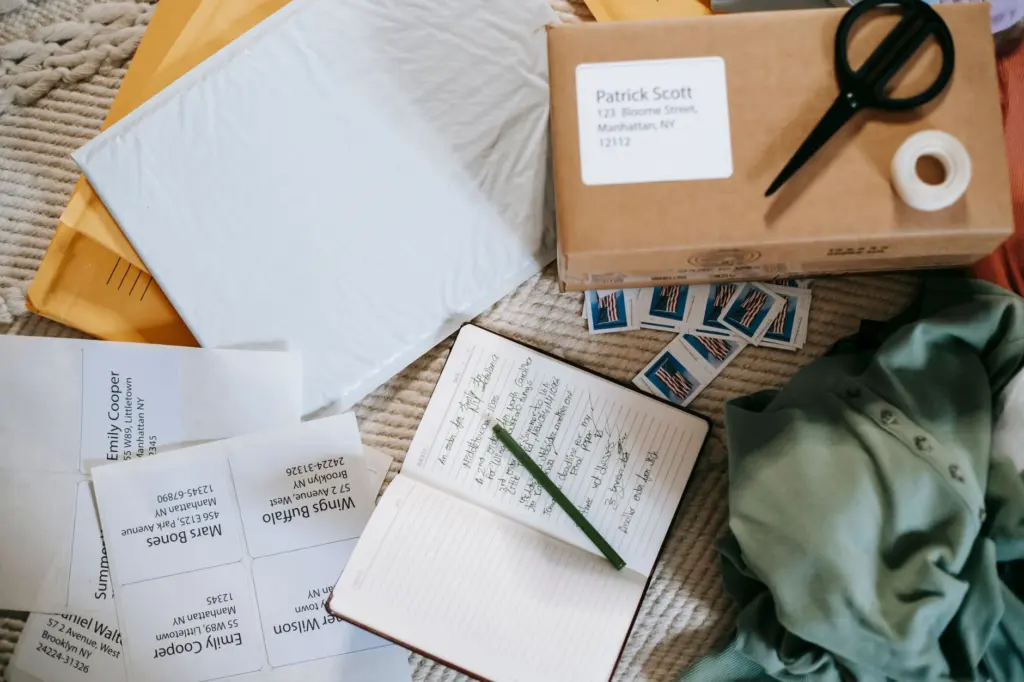
The reliable source is the service member. Ask them, or ask a family member or unit contact who can pass it on. If you do not know a recipient, go through a charity that manages addresses and distribution, as described in the charity section. Our guide on how to address a package to a soldier APO shows how the lines are arranged.
From counter to mailbox
- Confirm the address with the service member, and copy it exactly as supplied.
- Pack the box and add your contact information inside, as covered above.
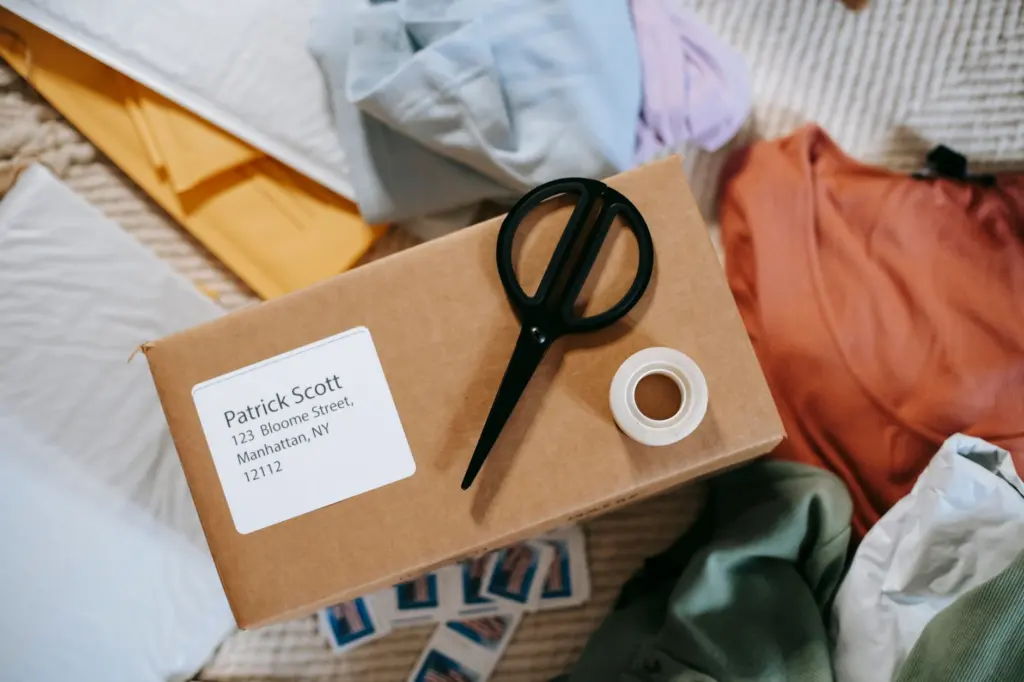
- Seal the box and write or print the address clearly on the outside.
- Find out whether the package needs customs paperwork. Our guide to the customs form for APO package explains what to expect at the counter.
- Compare postage before you commit to a box size. The cost to ship care package to military overseas guide helps you plan what each size is likely to cost.
Fill in the paperwork and label before you reach the counter. It keeps the line moving and lets you correct a mistake at home, where you can look up the address again.
Holiday and seasonal packages
Send holiday packages earlier than feels necessary, because a package that arrives after the holiday has missed its purpose. Overseas military mail follows its own schedule, so check the current cutoffs in our guide to military mail holiday shipping deadlines before you buy gifts rather than after.
Seasonal item choices
The season changes what is sensible to include. Hugs for Soldiers accepts chocolate between October and March only, which shows how much the calendar matters for food that can melt. A winter box can reasonably carry treats that a summer box should not. A cold-weather package can also suit socks and other warm items, if the recipient is actually somewhere cold.
Holiday ideas by occasion
- Thanksgiving. Shelf-stable food and notes about shared meals fit the occasion. Our guide to thanksgiving care package ideas for military develops this.
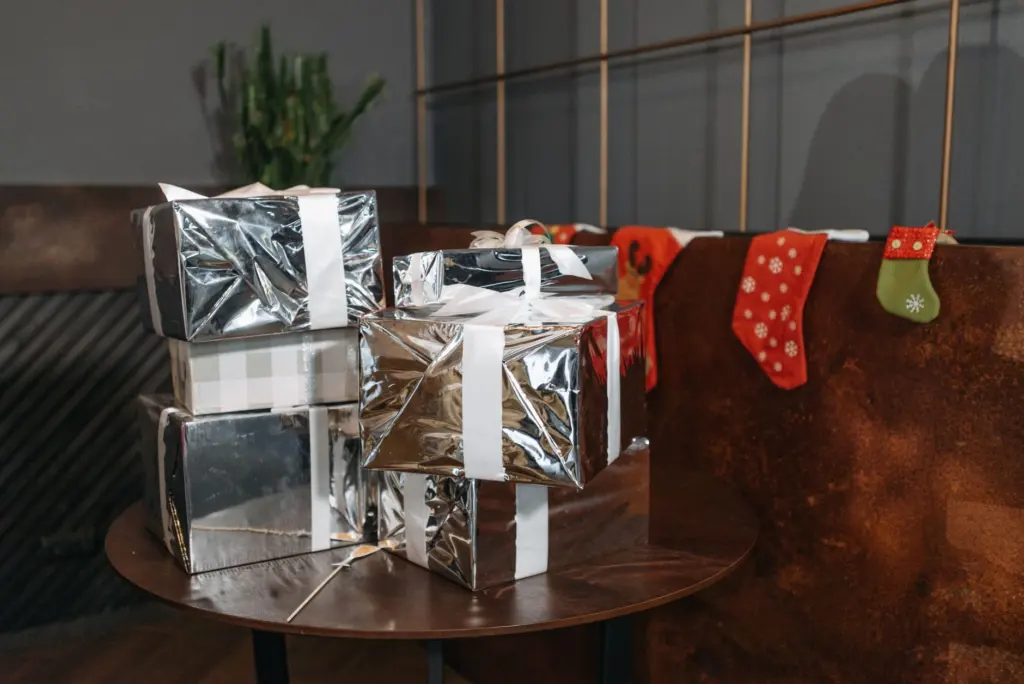
- Christmas. Keep the wrapping light and the gifts small. Christmas care package ideas for soldiers goes into more detail on what travels well.
- New Year. New year gifts for soldiers overseas work best as small, practical items with a note that looks ahead, because the recipient may be sharing space and carrying everything they own.
Group, school and community drives
A drive works when one person or a small team owns the collection, the item list and the shipping. Without that, you end up with a pile of mismatched donations and no clear path to the mailbox. Decide the list first, publish it, and turn away items that are not on it.
Setting up the collection
Choose a single drop-off point that people already visit, such as a school office, a place of worship or a workplace lobby, and put a bin there with the list taped to it. Put the restricted items from the earlier table on that list. A request for sealed, shelf-stable, travel-sized items with dates well in the future saves your volunteers from sorting out unusable donations later.
Packing day for groups
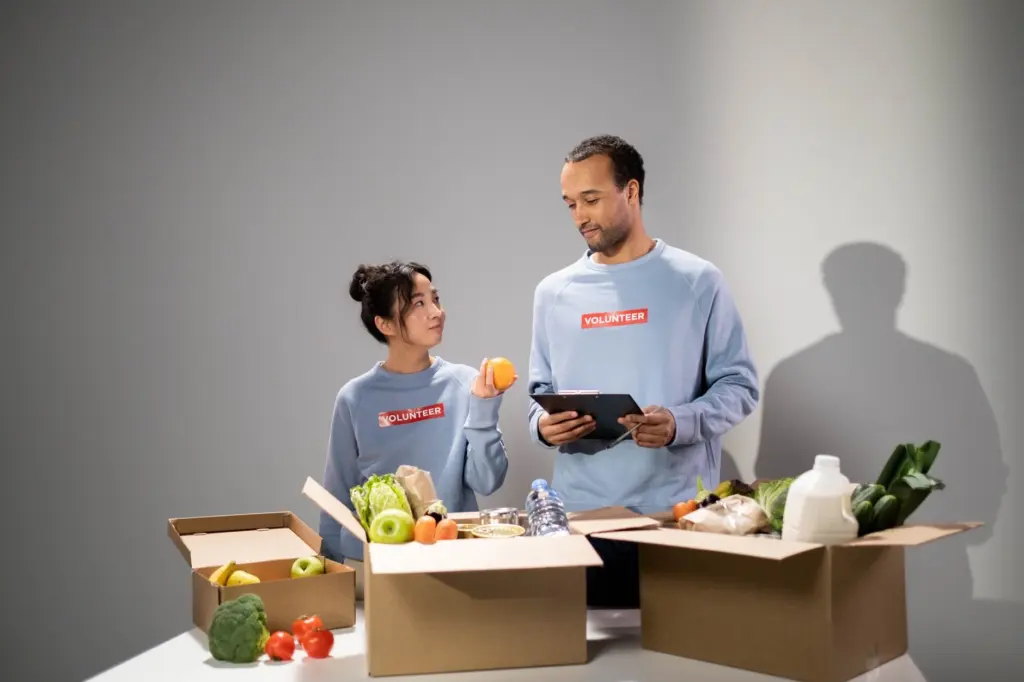
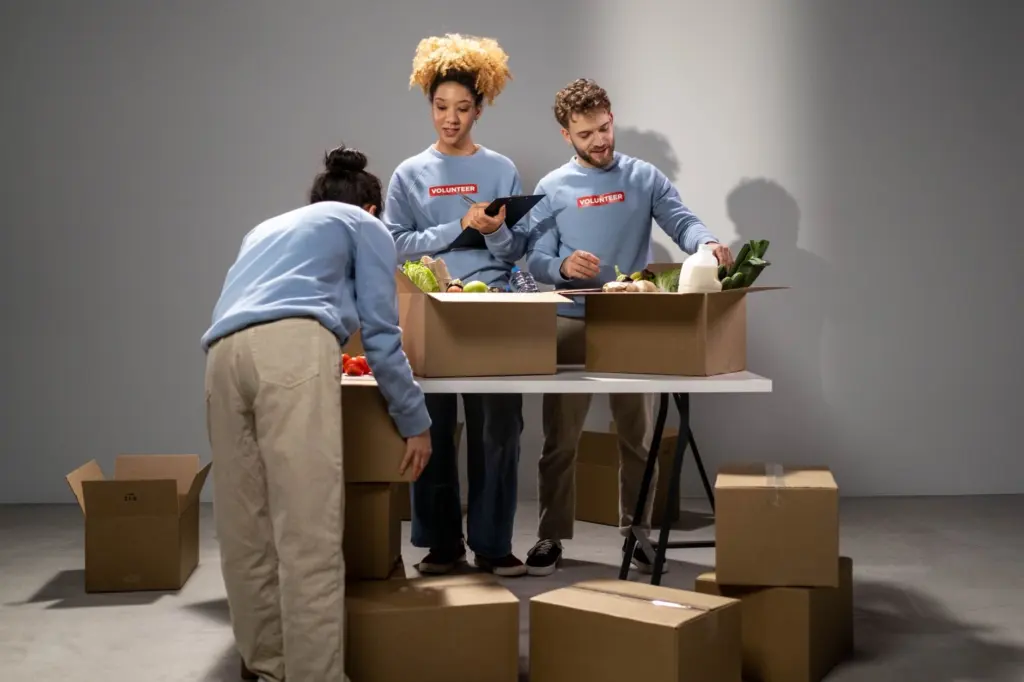
Set up the packing the way a charity does: sort items into categories on a table, then build each box from every category so no box is all snacks and no box is all toiletries. Assign one person to check dates and one to check labels. Keep a sheet with the recipient details in front of the person sealing each box, so addresses are not retyped from memory.
School groups and letters
Schools and youth groups bring something adults cannot: notes and drawings from children. Make those part of every box rather than a separate project. The letters section below explains why they matter and how to prompt them.
Paying for it
Shipping and supplies add up, and a drive that collects goods but not funds can stall at the post office. Work out a budget early. Our how much does a military care package cost planner helps you set a per-box limit, and the guide on how to raise money for care packages for troops covers ways to fund the postage.
Letters, drawings and personal touches
A handwritten note often means more than any item in the box, and it costs almost nothing to include. Soldiers’ Angels, in its budget adoption guidance, suggests kid drawings, short poems, favorite quotes, jokes or even a funny story from your week. Those examples show the tone to aim for: light, personal and easy to read in a few minutes.
Write as you would to a friend who is far away. Avoid long lists of questions, which can feel like homework, and avoid anything that would be upsetting to read in a crowded barracks. Our guide on what to write in a letter to a deployed soldier offers prompts and a few things to avoid.
Some senders also add a small token of support. Our page on military support bracelets explains the options. As with any item, ask first whether the recipient would want it.
Sending through a charity instead
If you have no recipient, no time to pack or no way to verify an address, a charity can do the sending for you. This route suits individuals and small groups who want to help without managing addresses, customs paperwork or distribution. Our list of organizations that send care packages to troops compares the main options.
The USO model
The USO, in its guide to sending care packages, describes standard packs funded by supporters rather than boxes you pack yourself. As of a 2022 update, over 26,000 USO Care Packages had been shipped to troops deployed to Eastern Europe, with 5,000 more pending. That scale is a reason to choose a charity when your goal is reach rather than a personal gift.
Adoption-style programs
Soldiers’ Angels runs a program that connects deployed troops with volunteers who are committed to sending monthly letters and care packages. This suits people who want a continuing relationship rather than a single box, and who can commit to regular small mailings. Match the commitment to your budget. A steady small package serves a recipient better than a large one followed by silence.
Packing for a charity drop-off
If you are donating goods to a charity rather than mailing yourself, read its list first. Hugs for Soldiers, for instance, sets rules on shelf life, pork and homemade food that you will not find in general advice. Following the list means your donation is used rather than set aside.
Frequently asked questions
| Question | Answer |
|---|---|
| Are APO and FPO packages treated as domestic or international mail? | Cru’s guidance says that because military personnel posted overseas have APO or FPO addresses, packages are mailed as though they are domestic mail. Check the customs and postage rules for your specific box before you go to the counter. |
| When did the USO care package program start, and how large is it? | The USO formally launched the Operation USO Care Package program in 2003. It reports that approximately 200,000 USO Care Packages were delivered to service members around the globe in 2021 alone. |
| Can I help without packing a box myself? | Yes. The USO says you can simply make a monetary donation, or give a symbolic gift through its USO Wishbook, and it will assemble and ship the packages. |
| Do charities offer holiday-themed packages? | The USO delivers holiday-themed USO Care Packages in brightly-colored holiday bags, which is a simple way to cover a season without choosing the items yourself. |