| Stage | What to do | Planning use |
|---|---|---|
| Address | Ask the service member or their family for the complete postal address, including the APO/FPO designation | Nothing else can start until you have it, so do this first |
| Eligibility | Send directly as a friend or relative, or register the service member with an organization on their behalf | Pick the route that matches how well you know the recipient |
| Contents | Choose items that keep; leave out alcohol, aerosols and anything perishable | Shop only after you have ruled out restricted items |
| Customs form | List every item inside the box | Keep a running inventory as you pack so the form takes minutes |
| Mailing | Seal, label and hand over the box to the postal service | Confirm current size and weight limits at the counter before you pack |
Address details and registration points come from the Forgotten Soldiers request form, and the contents and customs-form points from a military care package guide.
Here is how to send a care package to a deployed soldier: get the full military address first, pack only allowed items, list every item on the customs form, then mail the sealed box.
This walkthrough is written for a friend or relative sending to someone they know. For wider ideas on what to send and why, see our hub on troop care packages.
Before you start: who can send and what you need
Yes, anyone can send a care package to a soldier, provided they have a valid address for the recipient. Friends and relatives do not need a special status. Support Our Troops describes care packages as a way to enhance the morale and well-being of deployed troops worldwide, and that purpose is the reason this kind of mail is welcome.
If you do not know the person yourself, an organization can do the sending. Packages From Home, founded in 2004, says it reaches 176,000 U.S. military service members of every branch stationed or deployed in over 167 countries. That spread is why a correct, current address matters so much for each individual recipient.
What you need before you buy anything
- The complete address. A military address carries the APO/FPO/DPO designation in place of an ordinary city and country. The Forgotten Soldiers form asks for the recipient’s complete postal mailing address and tells the sender to include FPO/APO.
- Your relationship to the recipient. The same form asks the sender to state it, which is a reminder that organizations handling requests want to know who is asking and why.
- A little personal context. The form asks for tour length, gender and deployment experience so each package can be personalized. You can use the same details to choose sensible contents.
- The deployment environment. The form lists remote, naval ship, base/post and combat zone as options. The answer affects shipping, so ask the service member where they are based if they are comfortable telling you.
Getting a soldier’s address if you know them
Ask the service member directly, or ask a spouse, parent or another family member who already writes to them. Request the address exactly as it should appear on the label, and ask them to confirm it before each big mailing. Do not guess at any part of it, and do not search for an address online or take one from a stranger. An address that is even slightly wrong can send a box astray.
Choosing what goes in the box
A good first package holds items that keep, survive rough handling and are easy to share. Think of snacks that last, socks, basic toiletries and a handwritten letter. Personal context from the sender is useful here: a longer tour or a first deployment can change what feels welcome.

What to leave out
Three exclusions cover most first-time mistakes.
- Alcohol. The military postal system completely bans beer, wine, liquor and any other alcoholic beverages, so do not tuck in a bottle as a gift.
- Aerosol cans. Pressurized aerosols are among the top causes of care package damage. Choose a stick, cream or pump version of the same product instead.
- Perishables. Never send anything that requires refrigeration, freezing or has a short shelf life. A box can spend a long time in transit, so favor items that stay fine without care.
Other restrictions exist beyond these three. Check our guide on what not to send in a care package to troops before you finalize the list, and read the items against it one by one.
If you want to add a small keepsake, military support bracelets are a light item that fits in any box without adding bulk.
Packing the box and completing the customs form
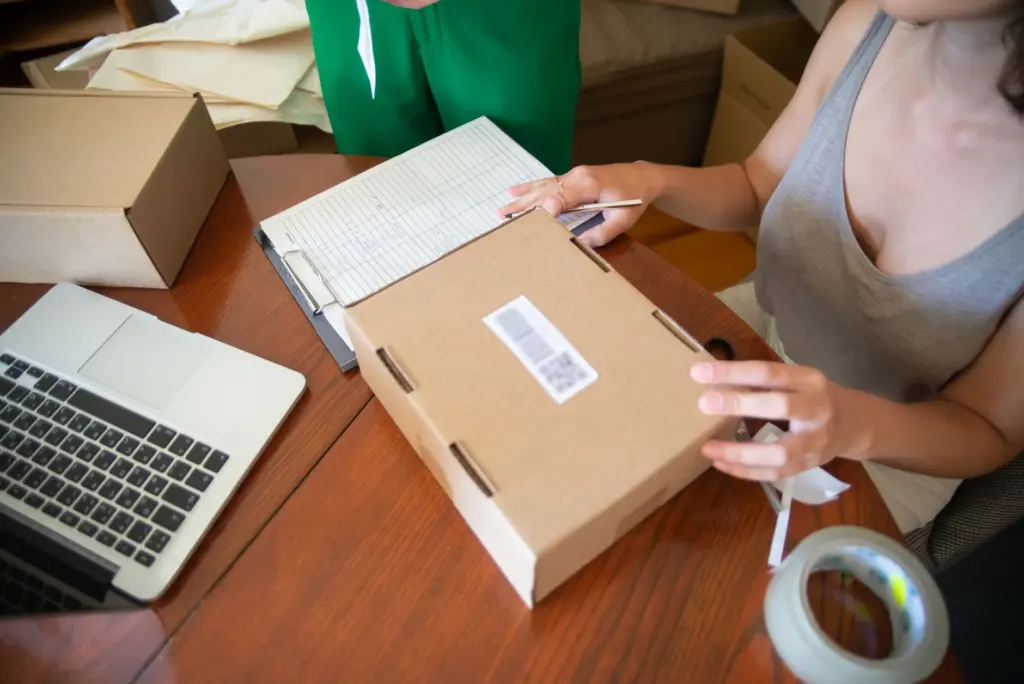
Pack the box so nothing can shift, and write down each item as it goes in. The customs form must detail every single item inside, so a running list on scrap paper saves you from unpacking later to remember what you included.

- Gather your supplies. You need a sturdy box, packing tape, a marker and something to fill empty space so contents do not rattle.
- Pack and list together. Add each item and write it on your inventory straight away, with a short plain description.
- Fill the customs form. Transfer your inventory onto the customs declaration form, listing every item rather than writing a general label such as gifts. The post office can confirm which version of the form applies to your destination.
- Check the limits. Ask the post office for the current size and weight limits for military mail before you seal anything. Flat rate boxes are a common choice for overseas mail, but confirm the details at the counter.
- Seal the box. Tape every seam, then attach the customs form where the postal clerk instructs.
Addressing and mailing
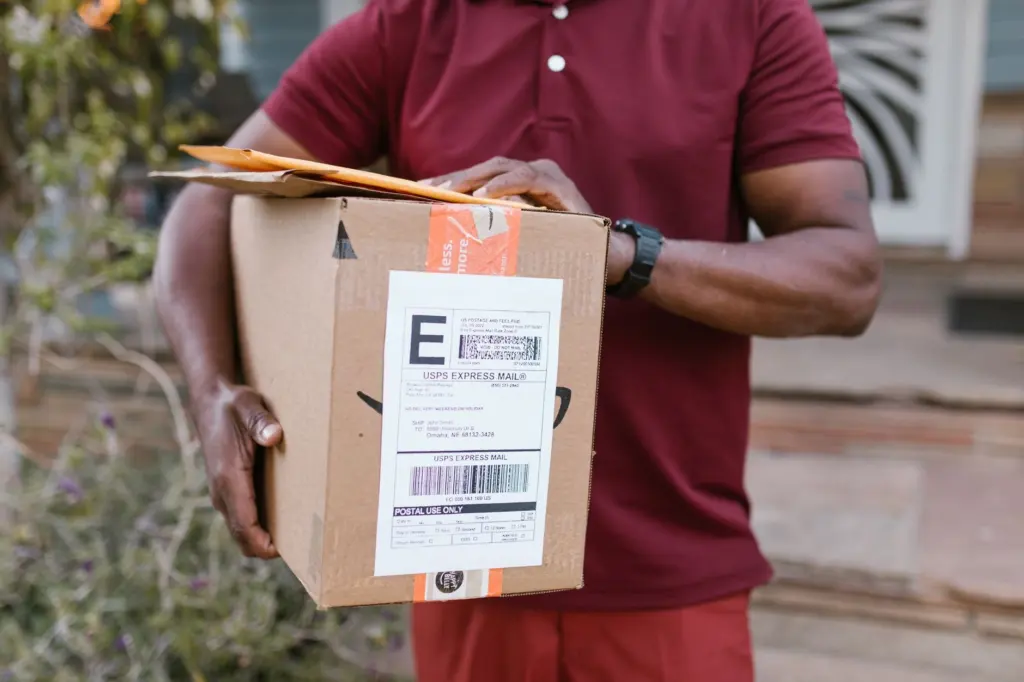
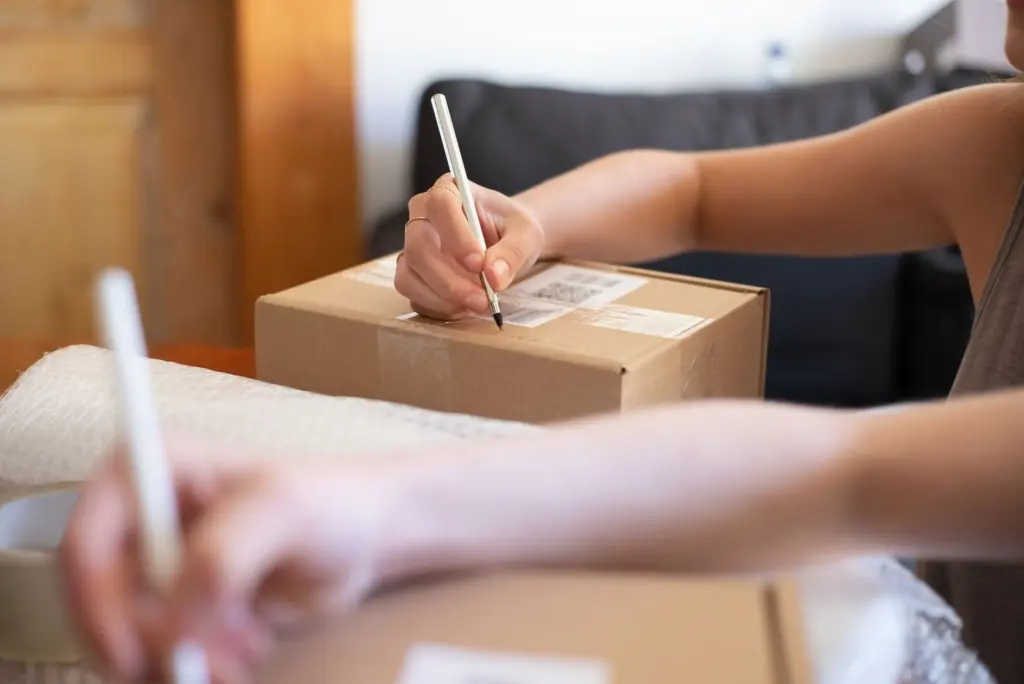
Write the address in clear block letters, matching the version you were given, and add your own return address. Use a marker that will not smear, and write it on the box itself as well as on any label so the address survives a torn sticker.
Take the box to the post office rather than dropping it in a collection box, so a clerk can check the address and customs form with you. Overseas mail to service members will likely travel through the Military Postal Service Agency (MPSA) after it leaves the United States Postal Service, so allow generous time before any birthday, holiday or milestone you hope to mark.
After you mail it
Keep your receipt and your inventory. Send a short message to the service member that a box is on its way, and ask them to tell you when it arrives. That gives you a sense of how long delivery takes to their location, which helps you time the next package.
Troubleshooting common problems
- The address is incomplete. Ask the service member or family to confirm it in full before you mail. For organization requests, the form will not proceed without the complete address including FPO/APO.
- An item might be restricted. Leave it out. Replacing a doubtful item is easier than having a whole box held up.
- The inventory does not match the box. Re-check the contents against the customs form before sealing. The form must reflect every item inside.
- You are unsure about the environment. A naval ship, a remote post and a base can all have different conditions, so ask the recipient what suits their location.
Frequently asked questions
Can I send a package to a whole squad or unit?
Yes, through some organizations. Forgotten Soldiers accepts requests for individual service members, squads or brigades, so you can register a group rather than one person.
Can an organization send packages for the whole deployment?
Some can. Forgotten Soldiers sends monthly “We Care” packages filled with essentials, snacks and heartfelt letters, and a family member or friend can complete the request form on the service member’s behalf.
Do the same rules apply to someone at basic training?
Not necessarily. Regulations for basic training or boot camp are significantly stricter than for other mail, so check with the recruit or their unit before you send anything.
Is a letter really worth including?
Yes. Care packages exist to support morale and well-being, and a handwritten letter is one of the items organizations such as Forgotten Soldiers include in their own packages.