| Symptom | First action | Planning use |
|---|---|---|
| You do not know how to start | Open with a short greeting and a line of thanks, such as “Dear Hero,” | Settles the first sentence before you draft anything else |
| You do not know the recipient’s name | Use a general salutation such as “Dear Fellow Military Member,” | Suits anonymous letters sent through a program |
| You worry about sharing too much | Brainstorm details that are safe to tell a stranger before you write | Sets the limit for what goes on the page |
| A child wants to join in | Have the child use a first name only and an adult’s address if one is needed | Keeps a young writer’s details limited |
| You are writing to a relative | Use a personal opening such as “To my son,” and lead with pride | Lets family letters sound warmer than stranger letters |
The samples and rules in this guide draw on a university civic-engagement write-up of a soldier letter project at Eastern Washington University and on published letters of gratitude to military members.
What to write in a letter to a deployed soldier is simple: a greeting, sincere thanks, a few friendly lines about yourself and a warm close, keeping to details you would share with a stranger.
A letter is one of the most personal items you can add to troop care packages, and it costs nothing but time. The sections below walk through preparing, drafting, tuning the tone and packing it.
Prepare before you write
The most useful preparation is deciding what you are willing to share. The Eastern Washington University project began by brainstorming pieces of information that would be good to share with someone who is a stranger. Do the same with a notebook and pen before you draft a single line.
Symptom: a blank page
If nothing comes to mind, the fix is a list rather than a draft. Write down the things you would happily tell a new acquaintance, such as your hobbies, your pets, what you do on weekends or what your town is like. Circle the three or four you find most interesting and build the letter around those.
Symptom: a feeling that you are not qualified
Writing to a service member does not require connections or special knowledge. Plain, sincere thanks is what the letter is for, so there is no need to match the polished tone of a published example.
Structure of a first letter
A first letter works best when it is short and follows a clear order. The student letters at Eastern Washington University used a layout of greeting, statement of appreciation, 3-4 sentences about self and questions, and a closing sentence. It is a reliable template for adults too.
- Greeting. Keep it simple, for example “Dear Hero.” Choose a general form when you do not know a name.
- Appreciation. Say thank you plainly and specifically in the opening lines.
- About you. Share a few harmless details and one or two friendly questions that invite a reply without prying.
- Closing. End with one warm sentence, then sign off with your first name.
Symptom: the letter feels stiff
Stiffness usually means the letter is all thanks and no person. Add a concrete, cheerful detail, such as what you are cooking or the weather where you live, and the page will sound like you. Read it aloud once and rewrite any sentence you would not say to someone face to face.
Symptom: the letter is running long
A first letter to a stranger does not need to fill a page. If it grows past the layout above, trim the about-me section back to the most welcoming details. A shorter letter is easier to read in a busy day, and you can always write again.
Sample openings for a stranger or a family member
Tone is the biggest difference between a letter to someone you do not know and one to someone you do. A stranger letter should be warm, grateful and light on personal detail. A family letter can be specific, emotional and full of shared history.
Openings for strangers
- Short and direct. “Dear Hero,” followed by a statement of thanks, is the greeting used in the university letter project.
- General salutation. One published letter begins “Dear Fellow Military Member, Please accept my heartfelt thanks”. It works whenever the recipient is unknown.
- Personal thanks. Another reads “I would like to personally thank you for your service and commitment to the United States.” It suits writers who prefer a formal register.
- Honest about the words. A third begins “Dear Soldier, It’s hard to thank someone for giving me the freedom to live”. Admitting that thanks is hard can read as more sincere than a polished line.
One published letter also acknowledges that the reader’s family and loved ones are waiting for their return. That line fits a stranger letter well, because it shows care without asking for anything in return.
Openings for family
A letter to a relative can drop the formality. One published example opens “To my son,” and expresses how thankful the writer is for the child’s service to protect the nation. Lead with pride and love, then move into news from home, shared jokes and plans for the return. Save these personal threads for family, because they are exactly the details a stranger letter should leave out.
Do and don’t list for first-time writers
The dividing line is simple: certain information is private and should only be shared with people we know from meeting in person. Use that rule for every sentence in a letter to a stranger.

Do
- Thank them directly. Make appreciation the first thing the reader sees.
- Share a little about yourself. Hobbies, pets, favourite foods and local life give the reader something to enjoy.
- Ask light questions. Friendly questions give a stranger an easy way to write back, if the program allows replies.
- Write by hand if you can. A handwritten page feels personal, and tidy printing makes it easy to read.
Don’t
- Don’t share private details. Leave out your full name, home address and anything else you would not tell someone you have never met.
- Don’t pry into their situation. Questions about where they are or what their unit is doing do not suit a stranger letter. Keep questions to everyday life and interests.
- Don’t write a long speech. A sincere, brief letter beats a lengthy one.
- Don’t use family-style intimacy. Nicknames and shared memories belong in letters to people you know.
Kids letters to troops
Children can write letters to troops, and classes have done it. A teacher at Eastern Washington University described how her 2nd-grade class wrote letters to new and deployed soldiers. The same page notes that Operation Gratitude lets minors share only a first name and an adult’s address. Follow that limit even when a program does not state it.
Symptom: the child does not know what to say
Offer a short pattern to copy: a greeting, a thank-you, one sentence about themselves and a friendly question. A drawing can carry much of the message, so let the child decorate the card and keep the words short.
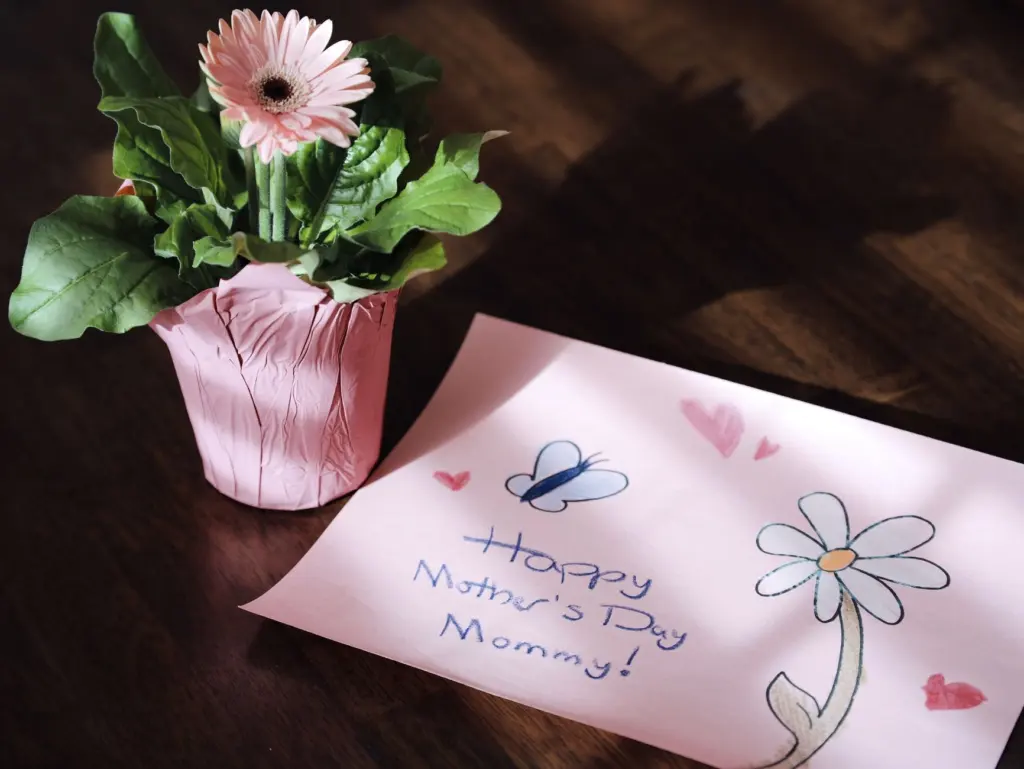
Symptom: the child wants to include a name and address
Have the child sign with a first name only. If an address is needed, an adult’s address is the only one to use, and an adult should check the finished page before it is sent.
Addressing and sending your letter
Where you send the letter depends on the program or route you use. Letters meant for people you do not know usually go through a letter-writing program rather than to an individual address. Follow the instructions of the organization collecting them and write the general salutation instead of a name.
Symptom: you do not have a name or address
Do not guess one. Choose a salutation such as “Dear Fellow Military Member,” and give the letter to a program that collects letters for service members. If you are writing to a relative, use the address they have given you.
Packing letters and cards with a care package
A letter and a card sit comfortably beside the practical contents of a box. The university project paired student letters with handmade paracord bracelets that were included in care packages for soldiers and first responders. Put the letter where it is easy to find, such as on top, so it is the first thing the recipient sees.
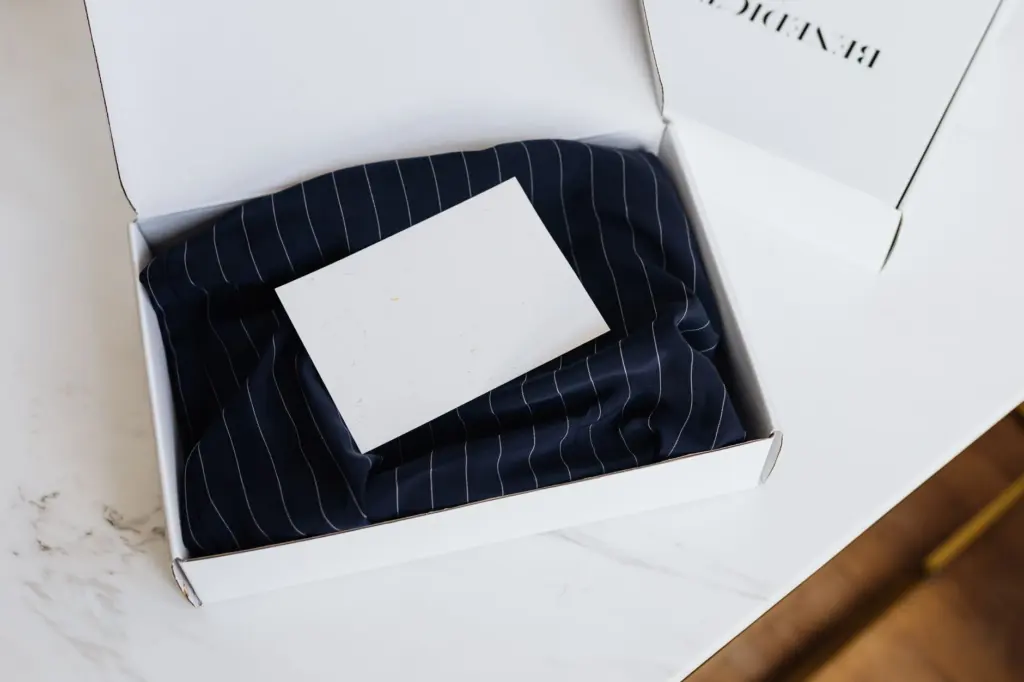
For seasonal boxes, tie your note to the occasion. Our guides to Christmas care package ideas for soldiers and thanksgiving care package ideas for military suggest items that pair well with a seasonal card.
Frequently asked questions
| Question | Answer |
|---|---|
| Do I need military experience to write a letter? | No. Operation Gratitude states that volunteers need no military experience. |
| Can I write letters from home? | Yes. Operation Gratitude says its letter writing can be completed entirely from home. |
| Who receives letters from these programs? | Operation Gratitude’s programs serve deployed troops, veterans, military families, recruit graduates and first responders. |