Someone asks why a holiday for veterans is tied to an armistice. The history of Veterans Day explains it: the World War I ceasefire became Armistice Day, and Congress renamed it to honor all veterans.
The timeline below separates the dated record from the usual mix-ups. If you want practical ideas once you know the story, browse our ways to thank veterans.
Why the holiday falls on November 11
Veterans Day falls on November 11 because the World War I armistice took effect at the 11th hour of the 11th day of the 11th month of 1918, as History.com’s account describes. An El País report gives the clock time as 11:00 a.m. CET, with the agreement signed near Compiègne and marking a victory for the Allies.
The date is the first thing to understand about the holiday. It commemorates the moment the fighting stopped, not a battle, a treaty or a person. The day was attached to the end of the war before the holiday ever mentioned veterans, which is why later changes altered the name and the calendar rule but kept coming back to the same anchor date.
Common mix-ups at a glance
Four assumptions cause most of the confusion about this holiday. The table sets each against the dated record.
| Common belief | What the record shows |
|---|---|
| It was created as a day for veterans. | It began as Armistice Day. President Wilson declared November 11 the first Armistice Day commemoration in November 1919, and an act approved May 13, 1938 made it a legal holiday. |
| Veterans Day and Memorial Day are the same. | The Department of Veterans Affairs calls that a common misunderstanding. Veterans Day honors all veterans, while Memorial Day honors those who died in service. |
| It has always been held on November 11. | Under the 1968 law the observance was set for the fourth Monday in October, first applied on October 25, 1971. It returned to November 11 beginning in 1978. |
| The name changed in one step. | Public Law 380 replaced Armistice with Veterans on June 1, 1954, and the first Veterans Day proclamation followed on October 8, 1954. |
These dates come from the ASOMF history of Veterans Day and History.com’s history of Veterans Day.
Who started Veterans Day
No single person started Veterans Day. It grew in stages, and each stage had a different author.
- President Wilson, 1919. According to the ASOMF account, he declared November 11 the first commemoration of Armistice Day in November 1919. That is the holiday’s direct ancestor.
- Congress, 1938. An act approved May 13, 1938 made November 11 of each year a legal holiday known as Armistice Day.
- Raymond Weeks, 1947. Military.com credits this Navy veteran of World War II with organizing a movement that led to the first celebration using the term Veterans Day, held in Birmingham, Alabama.
- Congress and President Eisenhower, 1954. Federal legislation turned Armistice Day into Veterans Day nationwide, as the next section explains.
If you need one answer, credit President Wilson for the observance and Congress for the holiday. The Veterans Day name has a separate origin in the 1947 Birmingham celebration and the federal change that followed.
From Armistice Day to Veterans Day in 1954
Armistice Day became Veterans Day on June 1, 1954. Congress amended the Act of 1938 as Public Law 380, replacing the word Armistice with Veterans so the day would honor veterans of all wars, as the ASOMF history records. History.com reports that President Dwight D. Eisenhower signed the legislation that day.

The ASOMF account adds that Eisenhower issued the first Veterans Day proclamation on October 8 of 1954. Other accounts attach the signing to that October date, so treat June 1 as the date of the law and October 8 as the date of the first proclamation.
The change is small on paper and large in meaning. A commemoration of one war’s end became a holiday for the service of everyone who wore the uniform. This article writes the name without an apostrophe, following the one-word swap of Armistice for Veterans that the 1954 amendment made.
The Monday holiday and the return to November 11
The holiday left November 11 in the early 1970s and came back in 1978. The episode shows how much of the day’s meaning lives in its date.
The Monday experiment
The Uniform Monday Holiday Act, called the Uniform Holiday Bill in the ASOMF account, was signed on June 28, 1968. History.com explains that the law set the observation of Veterans Day as the fourth Monday in October. The first Veterans Day under the new law was Monday, October 25, 1971, and it was marked with confusion because many states kept the original date.
The return to November 11
President Gerald R. Ford signed Public Law 94-97 on September 20, 1975. The law returned the annual observance of Veterans Day to its original date of November 11, beginning in 1978, according to the same ASOMF history. The practical lesson for anyone reading older sources is to check the year: a Veterans Day described for October, such as Monday, October 25, 1971, reflects the Monday rule, not the holiday’s current date.
Veterans Day, Memorial Day and the poppy
Veterans Day honors all veterans, living and deceased, and not only those who served in wartime or died in service. The Purple Heart Foundation puts it plainly: the day honors all veterans, those deceased and those living.
That breadth separates it from Memorial Day, which honors those who died in service, a distinction the Department of Veterans Affairs stresses according to History.com. For the other holiday’s own timeline, see the history of Memorial Day.
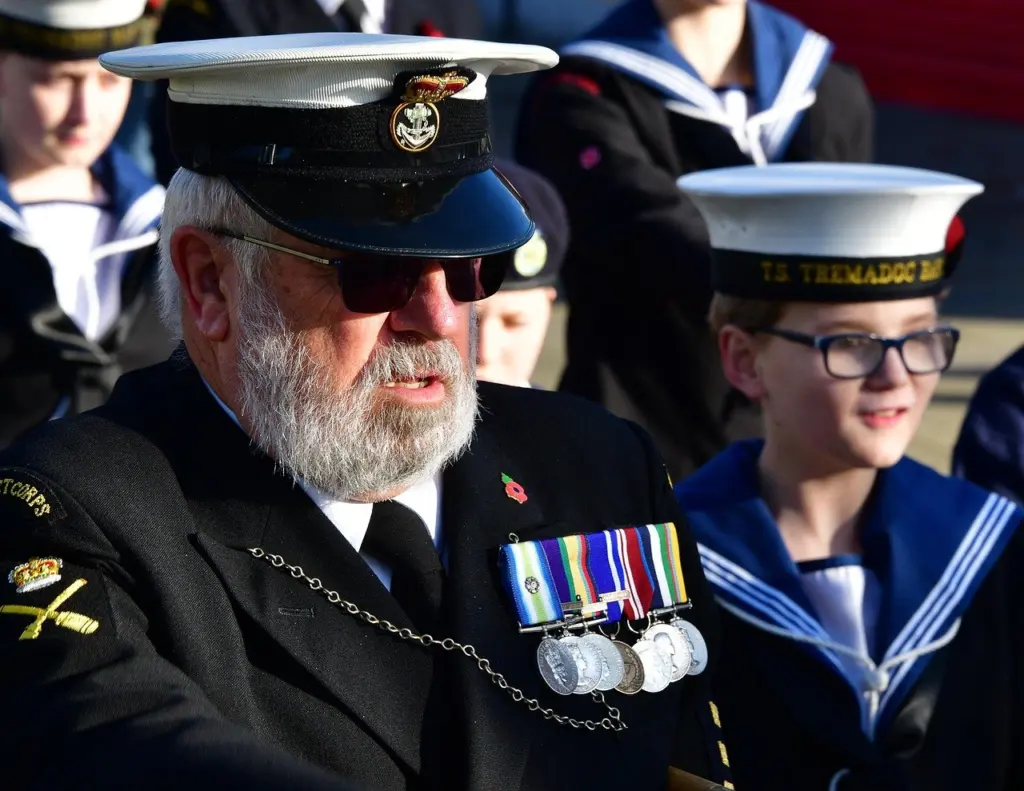
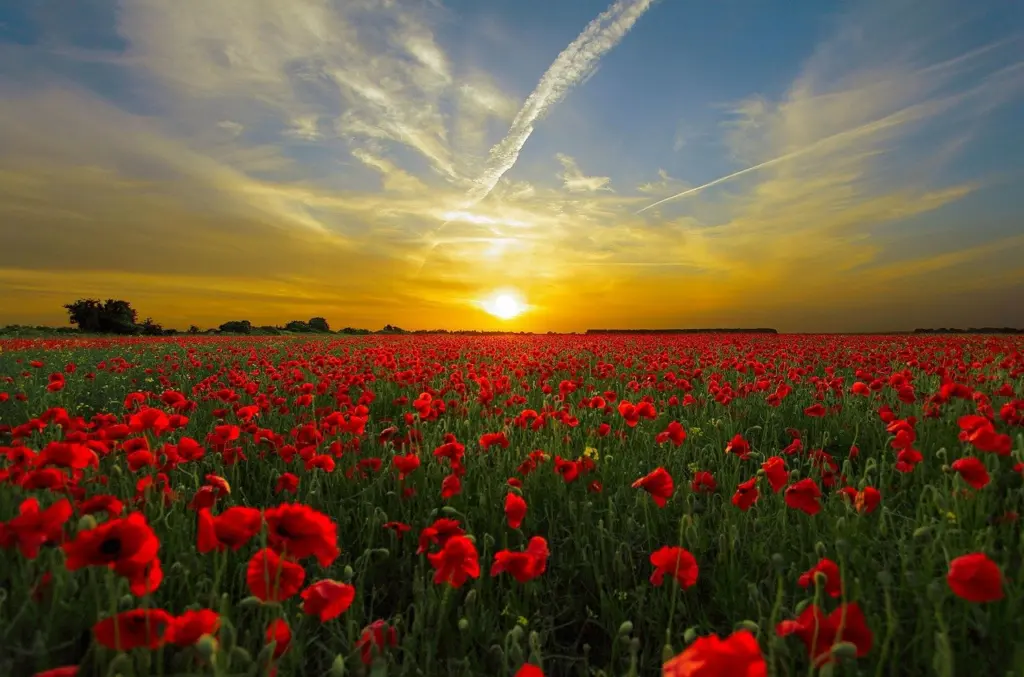
The World War I roots still show in one symbol. Red poppies, a symbol of the war from their appearance in a beloved poem, are sold on Remembrance Day in Canada and the United Kingdom, the same source notes. They are a Canadian and British custom, so do not expect the same tradition to define Veterans Day in the United States.
The Tomb of the Unknown Soldier and the day today
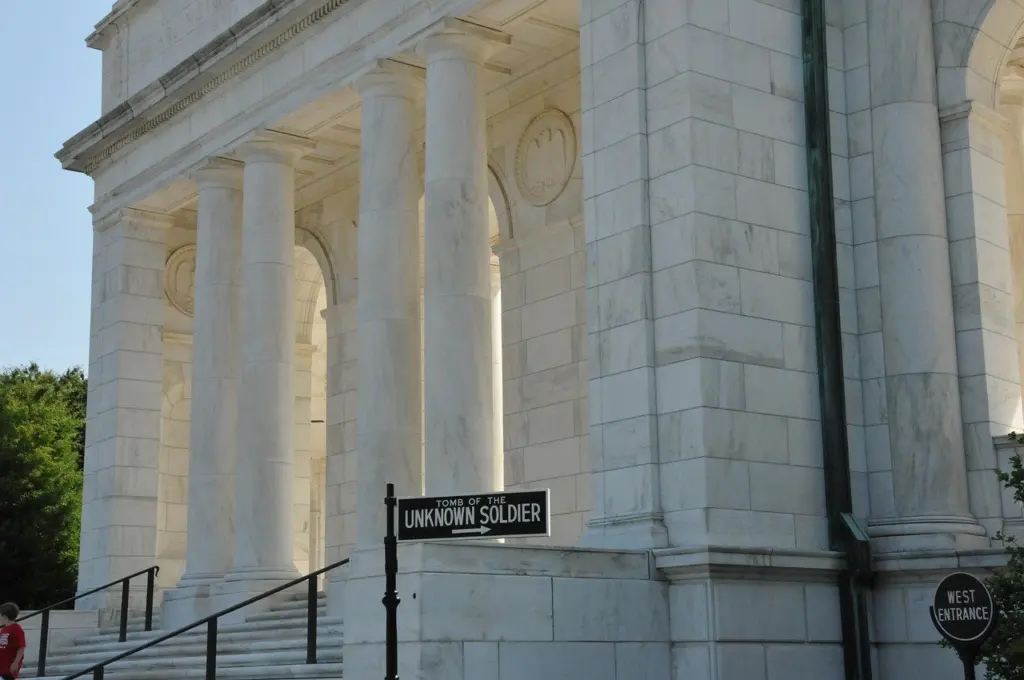
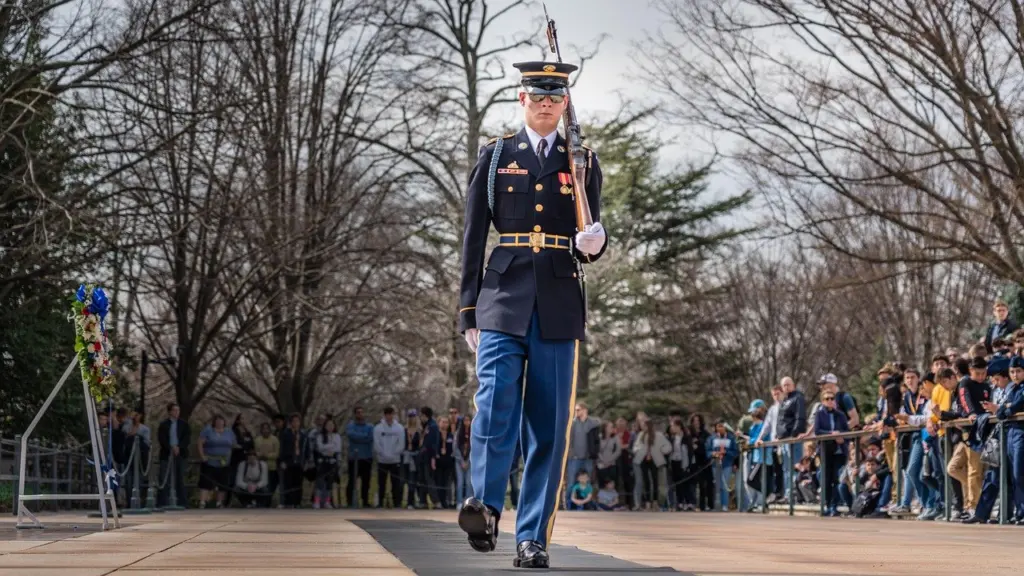
The national ceremony on Veterans Day is tied to the war that produced Armistice Day. History.com notes that an unidentified American soldier killed in World War I was buried at Arlington National Cemetery on November 11, 1921, in what became the Tomb of the Unknown Soldier. An official wreath-laying ceremony is held there each Veterans Day.
Away from Arlington, the holiday is more personal. Families, schools and communities mark it in many ways, and our guide to Veterans Day activities collects practical options.
Frequently asked questions
| Question | Answer |
|---|---|
| What happens when November 11 falls on a weekend? | If November 11 falls on a Saturday or Sunday, the federal government observes the holiday on the previous Friday or the following Monday, according to History.com. |
| Did the armistice formally end World War I? | No. The armistice stopped the fighting, while the war officially ended on June 28, 1919, when the Treaty of Versailles was signed, per the ASOMF history. |
| What did the first Armistice Day observances look like? | The original concept included parades, public gatherings and a brief suspension of business beginning at 11:00 a.m., as the ASOMF history describes. |
| How does Britain mark the day? | Britain has Remembrance Sunday on the second Sunday of November as a separate commemoration, History.com notes. |