| Bracelet | What it signals | Planning use |
|---|---|---|
| Black bracelet | Often worn to honor fallen soldiers | Choose for remembrance, and settle any name or dates with the family first. |
| Red bracelet | Visible support, especially when worn on Fridays | Suits supporters who want a simple, wearable show of backing without naming anyone. |
| Personalized deployment bracelet | An engraved bracelet or tag created to honor and support one service member | Order for a specific person, and check every engraved detail before you pay. |
| Paracord bracelet in black, olive green, tan or camo | These are the only cord colors allowed for service members to wear in uniform | Pick these colors when the recipient may wear the bracelet on duty. |
Attribution for the table: the deployment bracelet guide at MemorialBracelets.com covers the first three rows, and the Soldiers’ Angels paracord project page covers the uniform-color rule.
Military support bracelets show remembrance of, or backing for, service members, and the meaning depends on the color and engraving. Decide the purpose first: honoring someone fallen, supporting a deployed member, or fundraising.
Bracelets often travel in the same box as snacks and letters, so the guide to troop care packages is a useful companion when you plan what to send.
Choosing a bracelet by purpose
The right bracelet depends on who it is for and what you want it to say. A memorial piece, a deployment piece and a fundraiser each carry different expectations, and mixing them up is the most common way to cause offense or confusion.
Honoring a fallen service member
A memorial bracelet keeps one person’s name in view. Black is the color often worn to honor fallen soldiers, so a black or dark finish reads as remembrance rather than general patriotism. Because the bracelet speaks for the family as much as for the wearer, treat the name as theirs and agree on spelling, rank and dates before anything is engraved.
Supporting a deployed member
A deployment bracelet is a personalized engraved bracelet or tag made to honor and support a service member who is away. It works well as a gift from a spouse, parent, classmate or friend because it names one person. A red bracelet is the lighter option when you want to show support without naming anyone.
Pairing a bracelet with a package
- Keep it light and flat. A bracelet slips into a box without taking space from food or hygiene items. The step-by-step guide on how to send a care package to a deployed soldier covers addressing and shipping.
- Match the season. For a holiday shipment, add a bracelet alongside the thanksgiving care package ideas for military so the box feels personal as well as practical.
- Choose wearable colors. If the recipient might wear it on duty, stay with the uniform-approved cord colors in the table above.
What the colors and engraving mean
Meaning in this field comes from convention, not an official code, so the same bracelet can be read slightly differently by different people. The conventions with clear support are color and personalization.
Black signals remembrance of the fallen. Red signals visible support, and wearing it especially on Fridays is a recognized practice. Engraving turns a general symbol into a specific tribute: the name makes it personal, and added details such as branch or unit tell others whom it honors. When you are unsure how a recipient will read a color, a plain engraved name is the safest message.
Steel Hearts shows how memorial bracelets work in practice. Its store ties each memorial bracelet to a designated charity, and the foundation says a purchase supports its memorial-bracelet work. In that model the bracelet is both a remembrance and a donation channel, which is why the charity details matter.
Getting or making bracelets for troops
Free memorial bracelets are not a single national program, so check each organization’s own page for eligibility before you apply. The clearest free route for supporters is giving your time rather than receiving a piece: Soldiers’ Angels runs a paracord bracelet project that anyone can join.
- Open to everyone. The Soldiers’ Angels paracord project says you do not need to be or become an Angel volunteer to take part.
- Where the bracelets go. Finished bracelets are included in care packages shipped to deployed service members around the world.
- How to submit. Mail completed bracelets to the Soldiers’ Angels headquarters in San Antonio, Texas.
Families looking for a memorial bracelet without paying should ask the program directly whether it provides pieces at no cost and what proof, if any, it asks for. Do not assume a charity-linked bracelet is free just because the sale supports a cause.
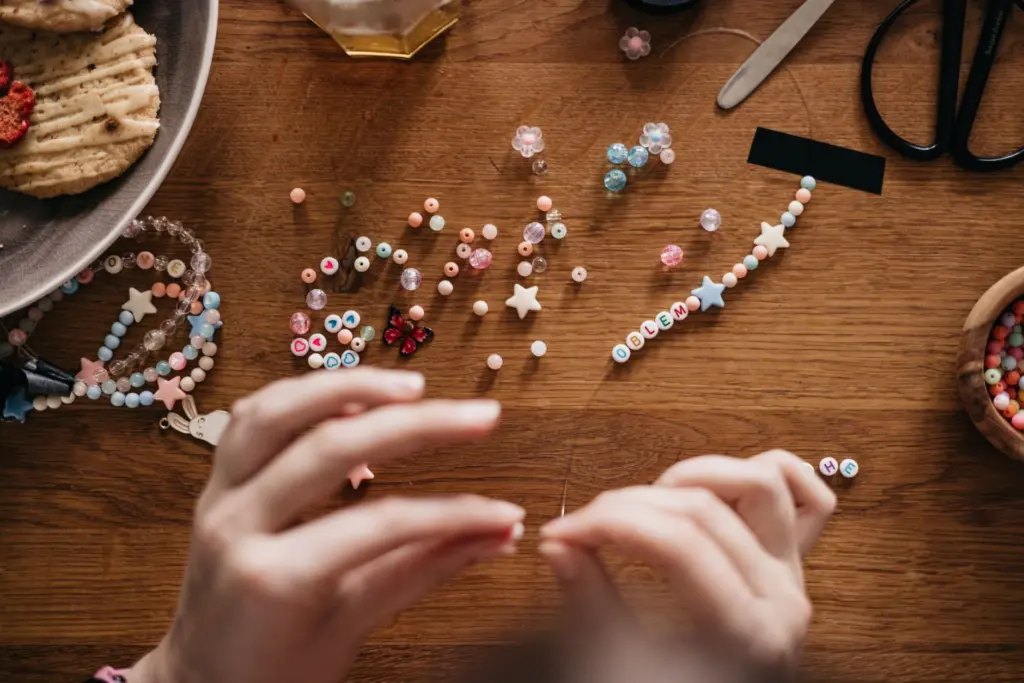
Selling bracelets to support troops without misleading donors
Anyone who sells bracelets to support troops should say exactly where the money goes. Buyers assume a patriotic bracelet funds a charity, and the real share can be much smaller than they expect.
State the share and name the charity
Established sellers publish their split. Steel Hearts says $10 from each full-price bracelet sold is designated for the USMA Class of 2006 class fund, and its store lists a designated charity per memorial, such as Wounded Warrior Project. Pura Vida’s For the Troops bracelet donates 5% of the purchase price to Semper Fi & America’s Fund. Copy that style: give the share, the recipient and the product it applies to. A sign reading “proceeds support troops” with no figure invites the wrong assumption.
Check that the charity is real
- Search the IRS. Look up the organization in the IRS Tax Exempt Organization Search to see whether it is a recognized tax-exempt group.
- Check your state. Many states have a charitable solicitation regulator, and it is worth confirming whether the group must register before you collect money for it.
- Match the name exactly. Similar-sounding names are easy to confuse, so use the legal name on your signs and receipts.
- Prefer a direct arrangement. If you are selling for a specific nonprofit, ask for its written agreement before using its name.
Handle a fallen service member’s name with care
Selling a bracelet that carries a fallen service member’s name turns a family’s loss into a product. Ask the family first, say plainly where the money goes, and let them stop the sale if they wish. A named memorial is best run through an established program that already designates a charity per memorial, rather than as a side project at a craft fair.
Styles, materials and prices
Support bracelets fall into a few families, and price tracks material and customization. Prices below are those listed by the sellers named, and they can change.
- Paracord. VetFriends lists a 7-strand paracord bracelet at $10.97. It is durable and works for everyday wear.
- Silicone wristbands. The same store sells a veteran silicone wristband 3-pack at $9.95, which suits handing out at an event.
- Engraved aluminum cuffs. MemorialBracelets.com lists a colored aluminum custom deployment cuff with white letters at $19.99.
- Engraved stainless steel cuffs. The same page lists a stainless steel custom cuff with recessed letters at $35.99, the more permanent choice for a memorial or long deployment.
- Charity-linked fashion bracelets. Pura Vida’s For the Troops Original is $8 and is described as 100% waterproof, a practical pick for daily wear.
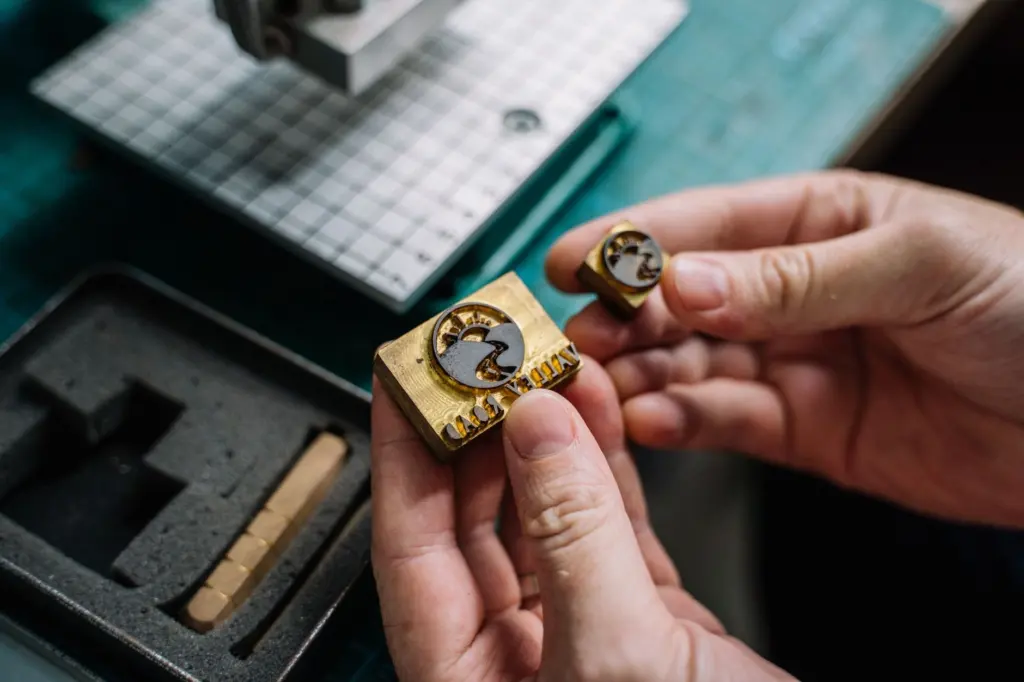
Choose paracord or silicone for giveaways and care packages, and a metal cuff when the name must last. Engraved metal lettering is a crafted detail, so confirm the spelling in writing before ordering.
Frequently asked questions
What size bracelet should I order?
It depends on the style. Steel Hearts class bracelets come in 6-inch and 7-inch sizes, VetFriends notes its paracord bracelet runs small and suggests ordering 1 size up, and the Pura Vida bracelet is adjustable from 2-5 inches in diameter.
What details go on a deployment bracelet?
Common engraving items are name and rank, military branch, unit or squadron, deployment location and dates, according to MemorialBracelets.com. Leave off anything the service member would not want shown publicly, such as a current location.
What do I need to make a paracord bracelet for the Soldiers’ Angels project?
The project calls for MIL-SPEC cording and 5/8 in black plastic side release buckles, and it notes that 8 ft of cord makes about an 8 in bracelet. Use that cord length as the guide when cutting.