| Reader situation | Leave out | Planning use |
|---|---|---|
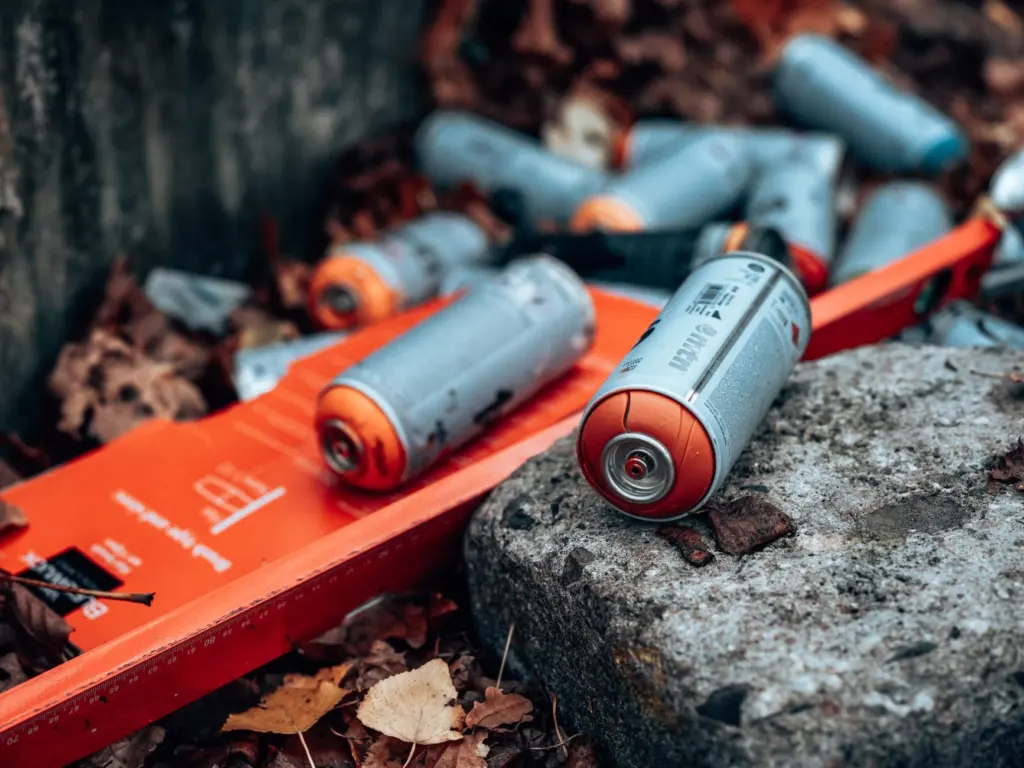
| Packing something that could hurt people or damage mail | Aerosol cans, weapons, firearms, ammunition, explosives, other hazardous materials | Remove these first. They are the items most likely to stop a parcel. |
| Packing a gift that is legally restricted | Alcoholic beverages, tobacco, anything containing alcohol or nicotine | Do not look for a workaround. Choose a different treat. |
| Packing food that must survive a long trip | Fresh fruit, vegetables, homemade baked goods, chocolate | Pick shelf-stable snacks that will not spoil or melt. |
| Shipping to a specific country | Anything that country prohibits or restricts | Check the country listing for your destination before you buy. |
Rows draw on Hero Care Packages’ prohibited-items guidance and SupplyChimp’s summary of APO/FPO mail restrictions.
What not to send in a care package to troops comes down to hazard, law and destination. If an item is dangerous, restricted or banned where it is going, leave it out and check the destination’s rules before you pack.
This list is sorted by the reason an item stays out, so you can scan for your situation. For the full sending process, see our guide to troop care packages.
If the item could hurt someone or damage the mail
Mail to overseas military post offices is subject to restrictions on content, preparation and handling, according to a USPS Postal Bulletin. Hazard rules are the strictest part of that. Many prohibited items, as Hero Care Packages explains, pose safety hazards during transportation, storage and use. A parcel passes through many hands before it reaches a deployed service member, so a risk at any stage is a reason to leave the item at home.

Aerosol cans
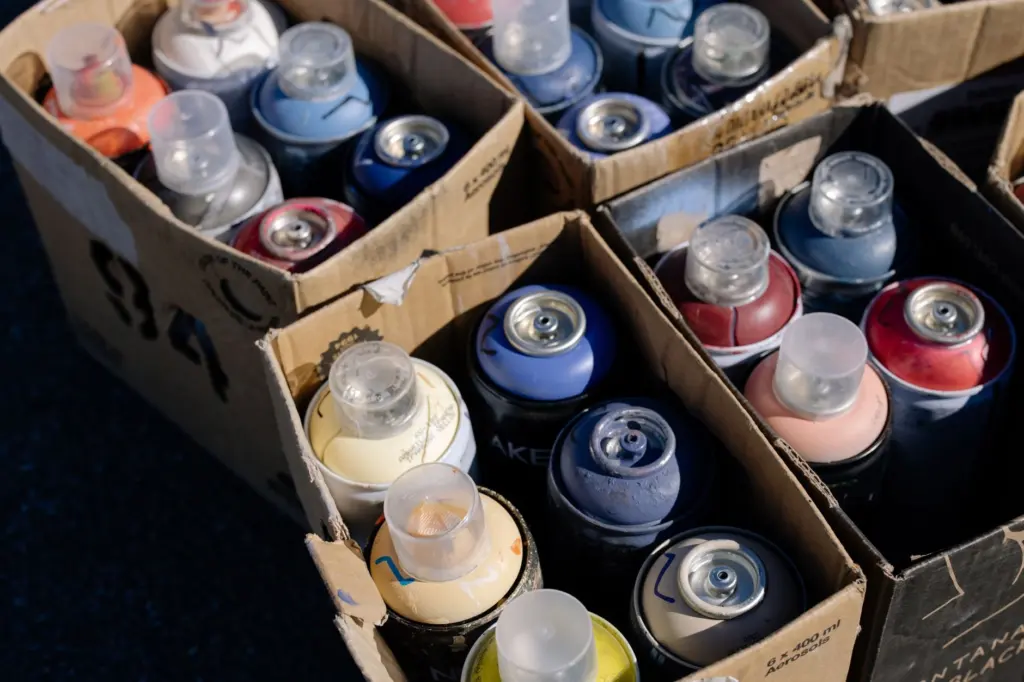
Aerosols are generally not permitted because of the risk of leakage or explosion. The category is wider than most people expect. It covers hairspray, deodorant and air fresheners, not just paint or cleaning sprays. If you want to send a grooming or freshening item, choose a stick, gel, solid or wipe instead of a pressurised can.
Weapons, ammunition and explosives
Weapons, firearms, ammunition, explosives and any related items are strictly prohibited. This also rules out items that look like or relate to weapons. There is no packing method that makes these acceptable, so do not spend time looking for one. A better gift is something that supports daily life on a deployment, such as snacks, hygiene items or reading material.
Other hazardous materials
Nine classes of hazardous materials in international commerce cannot be packed or mailed. If an item could leak, ignite or burst and it is not named above, check the destination’s country listing before you pack it rather than guessing. Treat anything with a hazard warning on the label as a likely problem.
If the item is legally restricted
Some items are barred by rule rather than by physical risk. They are the easiest to avoid because the answer is the same for every destination.
Alcohol
You cannot send alcohol to a soldier overseas. Alcoholic beverages are strictly prohibited, and so is any substance containing alcohol, according to Hero Care Packages. Disguising a bottle as another product or tucking it inside other items does not change that. It risks the whole parcel and may leave the recipient with nothing. If you want to mark an occasion, send a favourite drink mix or a shelf-stable snack.
Tobacco and nicotine
Tobacco products and anything containing nicotine fall under the same prohibition as alcohol. This is a common mistake for senders who assume a gift of cigarettes or similar products is a traditional comfort. It is not allowed, so leave it out and put the space toward something permitted.
If the item will not survive the trip or should not travel
Some items are not banned for danger but fail on practical grounds. Care packages spend a long time in transit, so what goes in has to cope with delay and changing conditions.
Fresh and homemade food
Fresh fruits, vegetables and homemade baked goods are not allowed. They spoil in transit, and an item that has gone off can contaminate everything beside it. Choose sealed, shelf-stable snacks with clear commercial packaging instead.
Chocolate
Chocolate is the exception that people ignore because it feels like the classic treat. Cru’s care package guidance says to avoid it because it melts. A melted bar can coat other contents, so pick a snack that tolerates heat.
Valuables
The same guidance says not to send any valuables. A care package is a gift that can be shared, and it is not a safe way to move anything you would be upset to lose. Send sentimental items only when you can accept the risk, and keep the real valuables at home.
A box is addressed to one service member, but organisations such as Operation Shoebox’s comfort and care package program note that it is designed to be shared. Individually wrapped, shelf-stable items work well for that, which is another reason to skip anything that spoils or melts.
If the destination sets its own rules
Individual countries have their own unique prohibitions and restrictions, which means a package that is fine for one address may be refused for another. Do not assume that a list found online, including this one, covers every destination. Treat it as the baseline, and then check the specific country.
Country listings
The recommended place to look is the Individual Country Listings Manual, which SupplyChimp advises consulting before you ship. Look up the country in the address, not just the base name or the APO, FPO or DPO prefix, and read what is listed as prohibited or restricted before you buy anything for the box.
Meat and other food products
Food is where destination rules most often catch senders out. A product that is fine in your local shop may be restricted at the other end, so check the country listing for any meat product before you pack it, and for any other food that is not obviously shelf-stable snack fare. When in doubt, choose a plain alternative.

Checking before you seal the box
A few minutes of checking prevents a returned parcel or one that never reaches the recipient. Follow the same order each time.
- Look up the country. Read the destination’s entry in the country listings and compare it with your item list.
- Fill in the customs form from the contents. USPS has an online tool for creating a customs declaration form based on what you are shipping, which keeps the declared contents in step with what is in the box.
- Use the right address format. Packages go to a person at the military post office rather than directly to the service member, as covered in our guide on how to address a package to a soldier APO.
- Plan for the calendar. USPS keeps a list of cutoff times for shipping during the holiday season, so check it if you are mailing in that period.
Care packages are normally sent at the request of a service member or a loved one, and organisations that send them say they follow Department of Defense mailing standards. If you have not yet chosen what goes in, our walkthrough on how to send a care package to a deployed soldier covers the full process from planning to posting.
Frequently asked questions
| Question | Answer |
|---|---|
| Can I use another carrier to send a package to an APO, FPO or DPO address? | No. These addresses cannot accept mail or packages from any carrier other than USPS. |
| Can I mail lithium batteries? | Sometimes. Some lithium or lithium-ion batteries may be mailed as registered first class mail, but check the destination’s country listing before you rely on that. |
| Who can answer questions about military mail restrictions? | USPS directs inquiries about restrictions on military mail to the Military Postal Service Agency. |
| Can I ship straight to a service member’s unit or barracks? | No. Items are addressed to a person at the military post office and are not shipped directly to service members. |